

Google introduced an artificial intelligence hub named Universal Cart alongside updates to its Agent Payments Protocol during its annual I/O developer conference on Tuesday. The centralized commerce framework transitions digital assistants from passive recommendation panels into active transactional participants capable of executing online purchases autonomously. By embedding a persistent shopping interface across Google Search, the Gemini app, YouTube, and Gmail, the technology corporation aims to anchor consumers within its proprietary ecosystem throughout the multi-day discovery and checkout sequence.
Cross Platform Selection And Analytical Error Checking
The software framework aggregates items that users select while interacting with distinct Google services or browsing participating digital retail storefronts. The interface continuously monitors background data fields to track active merchant deals, log real-time price reductions, display historical price variations, and transmit automated alerts when out-of-stock merchandise returns to local fulfillment hubs. For multi-component transactions such as building a custom personal computer, the embedded Gemini models automatically analyze selected hardware variables to flag component incompatibilities, simultaneously recommending valid manufacturing alternatives within the same checkout window.
Ecosystem Infrastructure And International Expansion
The transactional architecture relies on Google Wallet data to surface hidden consumer point balances and calculate member loyalty savings at checkout. Programmatic routing operates through the open-source Universal Commerce Protocol, which allows individuals to complete their transactions directly inside the Google interface or transfer the compiled cart items to an external merchant website. The software features launch within the United States this week, with planned functional integrations expanding to Canada, Australia, and the United Kingdom over the coming months. Concurrently, corporate development teams are extending the underlying protocol to support specialized commercial categories, including international hotel bookings and regional food delivery networks.
Secure Procurement Parameters And Encryption Trails
The updated version 0.2.0 of the Agent Payments Protocol introduces a secure financial governance model that permits autonomous artificial intelligence systems to execute transactions on a user’s behalf without active human presence. Consumers establish restrictive procurement parameters by specifying approved corporate brands, precise product classifications, and maximum spending caps before authorizing background purchases. The protocol establishes a cryptographically signed digital contract that links the individual consumer, the chosen retail vendor, and the external payment processor to secure personal identity records. The underlying software pipeline maintains an unalterable digital audit trail to preserve permanent transactional records for subsequent product returns or merchant billing disputes.
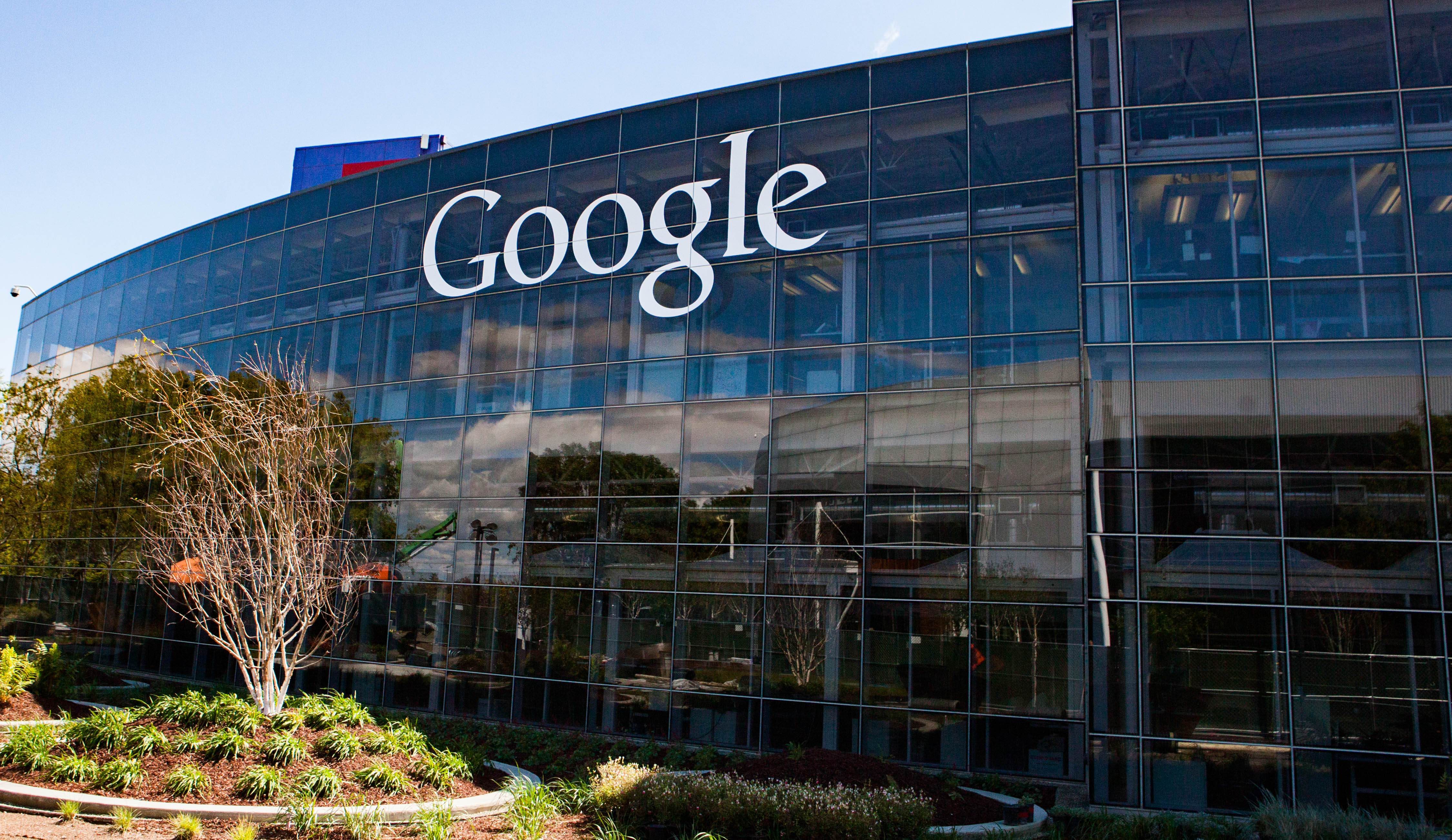
Featured image credits: Wikimedia Commons
For more stories like it, click the +Follow button at the top of this page to follow us.