

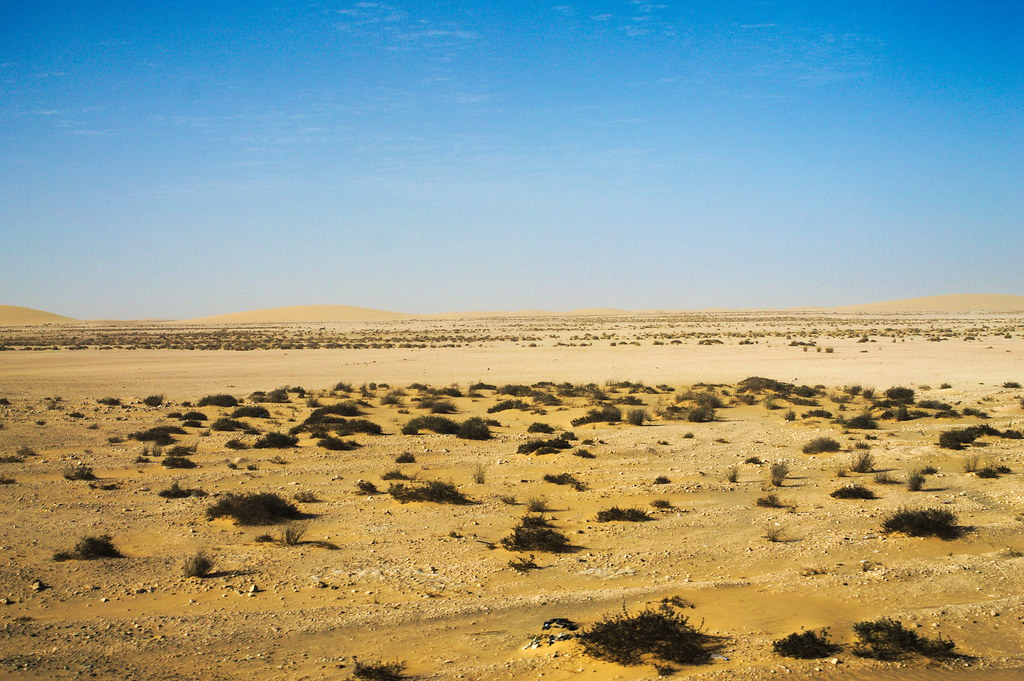
Airlines and travel platforms are increasingly marketing destinations in Western Sahara as part of Morocco, even as rights groups and legal experts warn this risks legitimising Morocco’s occupation and misinforming travellers, BBC reporting shows. Visitor numbers and direct flights have risen, driven by investment and new routes, while officials, campaigners and companies clash over labeling, legal risk, and corporate responsibility.
Tourism growth
Visitor numbers to Morocco‑controlled Western Sahara rose more than 50% between 2019 and 2025, from 490,297 to 743,133, Moroccan Ministry of Tourism data show.
Airlines including Royal Air Maroc, Ryanair, Transavia France and Binter Canarias now operate direct routes to cities such as Dakhla and Laayoune.
How destinations are marketed
Ryanair and some booking platforms list hotels and flights to Dakhla as destinations in Morocco.
Transavia said it operates flights “in accordance with the authorisations received from the authorities,” while Binter Canarias refers to the area as Western Sahara.
Legal status and UN position
The UN classifies Western Sahara as a “non‑self‑governing territory” and has long called for a political solution, including a referendum on self‑determination that has not taken place.
Morocco administers about 80% of the territory and calls it its “southern provinces”; the Polisario Front controls a narrow eastern strip and seeks independence.
Rights and legal concerns
Campaigners and legal experts say marketing Western Sahara as Moroccan risks normalising the occupation and breaching international‑law principles on self‑determination.
Dr Andrea Maria Pelliconi, a human‑rights law expert, warned companies could face litigation over international‑law violations, consumer‑protection claims, and EU fair‑competition rules.
Corporate responses
Booking.com said it adds dispute or conflict information on listings where relevant and advises travellers to consult official travel advisories.
Expedia declined to comment; Ryanair and Morocco’s government did not respond to BBC requests; Transavia and Binter issued statements reflecting differing approaches to labelling.
Economic and political drivers
Morocco has invested heavily in developing tourism infrastructure in the occupied zones, and airlines list the region to reflect expanding air links and commercial opportunity.
Polisario representatives argue tourism investment is used to create a fait accompli and say projects in the occupied territory violate Sahrawis’ right to self‑determination.
Precedents and pressure
Earlier pressure from campaign groups led Airbnb to stop listing Western Sahara properties as Moroccan.
Rwanda and other international actors have previously prompted policy shifts when platforms faced legal and reputational risks over disputed territories.
Featured image credits: Ammar Hassan via Flickr
For more stories like it, click the +Follow button at the top of this page to follow us.