

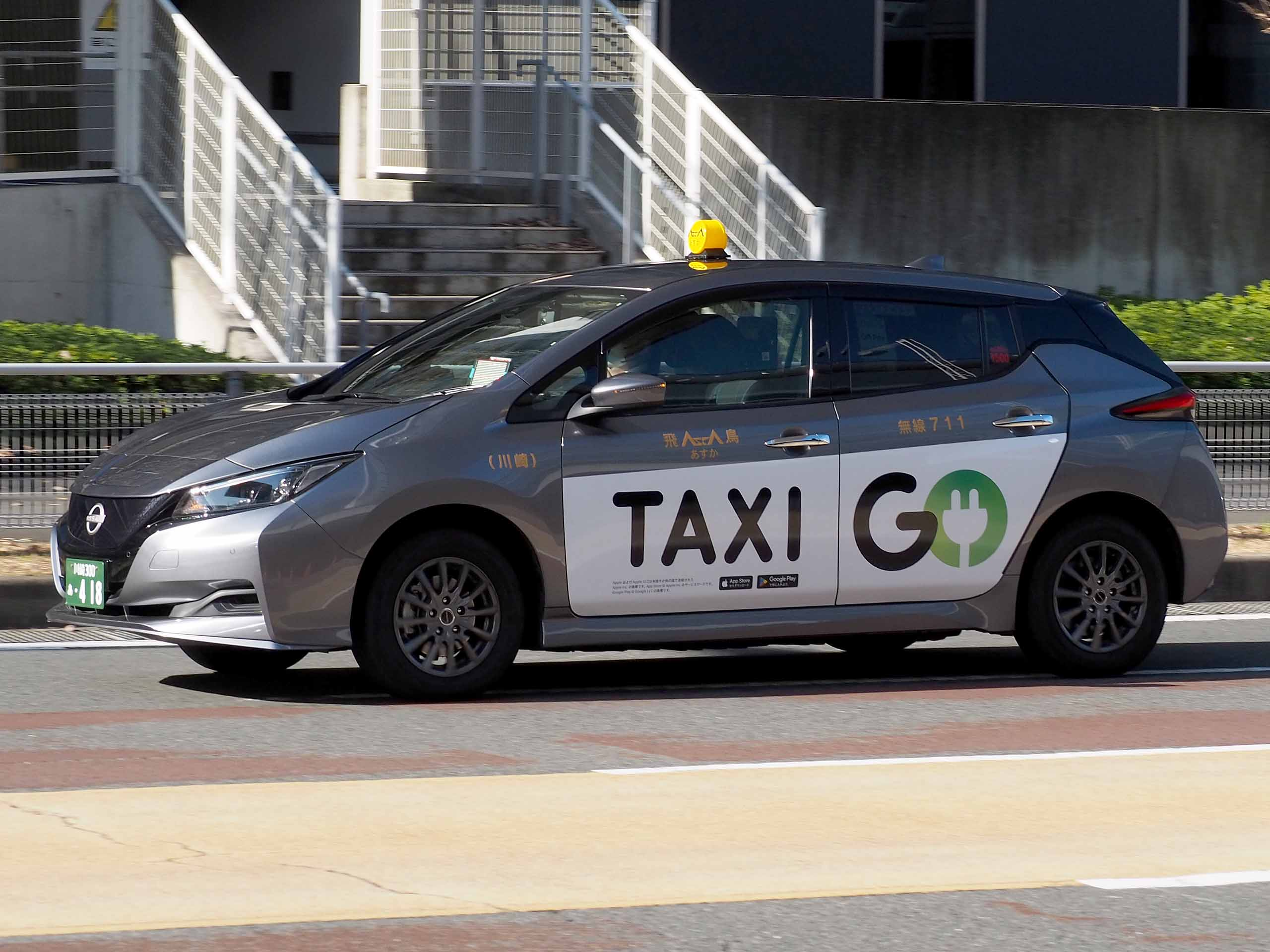
Japanese taxi-hailing company Go plans to use proceeds from its ¥88.6 billion, or approximately $553 million, initial public offering to expand its robotaxi operations and pursue strategic acquisitions.
The company began trading in Tokyo on Tuesday in Japan’s largest IPO of 2026. Its shares later fell below the ¥2,400 offering price, closing Friday at ¥2,314, a decline of about 4%.
IPO Funds Will Support Robotaxi Development
Go said proceeds from newly issued shares would support research and development related to robotaxis. The company also plans to invest in business expansion and possible acquisitions within and beyond the taxi industry.
The offering attracted institutional investors including BlackRock, Wellington Management, and M&G Investment Management. It arrived during a relatively quiet period for Japanese listings, with government officials encouraging some startups to consider acquisitions rather than pursuing public offerings.
Go’s interest in autonomous vehicles comes as Japan faces a shrinking supply of taxi drivers. The country’s driver population has fallen by roughly 20% in recent years, while its aging workforce makes a rapid recovery unlikely.
Japan introduced limited ride-sharing services in 2024 to help address transportation shortages. However, drivers must remain employed by licensed taxi companies, and the services operate only in designated locations and periods.
Waymo Partnership Advances in Tokyo
Go is working with Alphabet-owned Waymo and taxi operator Nihon Kotsu to bring autonomous driving technology to Tokyo. Go handles strategic coordination, while Nihon Kotsu manages and maintains the vehicles.
Waymo vehicles have begun operating on public roads in several Tokyo wards with trained Nihon Kotsu personnel behind the wheel. The companies are collecting data and adapting the Waymo Driver to local roads, traffic conditions, and driving practices.
Go has not announced when fully driverless commercial rides will begin. The company said it would remove human specialists only after validating the technology and receiving regulatory approval.
Chief Executive Hiroshi Nakajima has previously said Go does not intend to develop its own autonomous driving system. Its role instead centres on connecting technology providers, taxi operators, and customers through its platform.
Go says its app has been downloaded 35 million times and connects users with approximately 85,000 vehicles. It operates across 46 of Japan’s 47 prefectures and accounts for about 80% of the country’s taxi-app usage time.
Competition for Tokyo Robotaxi Services Grows
Go also works with Kakao T, Alipay, and WeChat Pay, allowing visitors from South Korea, China, and Taiwan to request affiliated taxis through apps they already use.
Other companies are preparing their own autonomous services in Japan. Uber, Wayve, and Nissan plan to begin a supervised Tokyo pilot by late 2026 using Nissan Leaf vehicles equipped with Wayve’s AI Driver.
Those vehicles will be available through the Uber app and will initially operate with trained safety drivers. The project is Uber’s first autonomous vehicle partnership in Japan.
Featured image credits: Wikimedia Commons
For more stories like it, click the +Follow button at the top of this page to follow us.