

Live Nation has reached a tentative settlement with the US Department of Justice in an antitrust case examining the company’s influence over the live events sector, including its ownership of Ticketmaster. The proposed agreement would require Live Nation to allow ticket sellers and artists greater flexibility while also paying financial damages and divesting several venues. The settlement still requires approval from a judge and has already faced opposition from some states involved in the lawsuit.
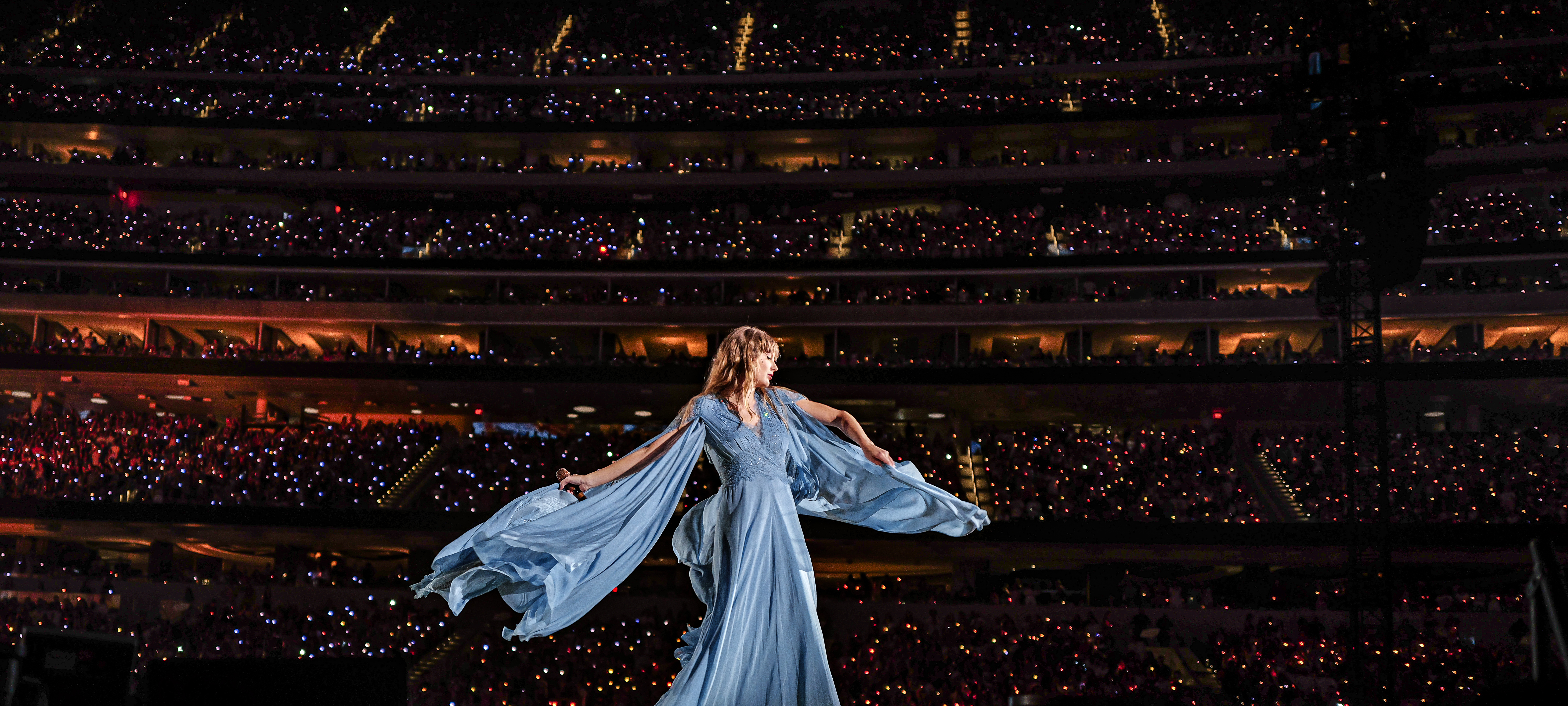
The antitrust case followed scrutiny of the ticket sale process for The Eras Tour. During that sale in 2022, fans reported long online queues and difficulty securing tickets. The incident intensified criticism from lawmakers and consumers, who argued that Live Nation and its subsidiary Ticketmaster held excessive influence over the ticketing market. The US Department of Justice later described the company as a monopoly controlling much of the live entertainment sector in the United States.
Terms Of The Proposed Settlement
Under the proposed settlement, Live Nation would permit businesses to work with multiple ticket vendors when selling tickets to fans. Touring artists performing at venues owned by the company would also gain the option to hire other promoters instead of relying solely on Live Nation’s services. The agreement would further require the company to divest up to 13 concert halls.
The settlement also includes financial compensation. Live Nation would pay $280 million (£209 million) in damages to nearly 40 states that participated in the antitrust lawsuit against the California-based company.
If approved, the settlement would impose fewer structural changes than earlier proposals from the US government, which had considered breaking up the company. News of the agreement emerged during court proceedings on Monday and had previously been reported by Politico.
Judge Criticizes Lack Of Disclosure
Judge Arun Subramanian expressed frustration when he learned that Live Nation and the Justice Department had signed the settlement the previous Thursday. The judge noted that he had met both parties on Friday morning without being informed about the deal.
“It shows absolute disrespect for the court, the jury and this entire process,” Subramanian said during the hearing. “It is absolutely unacceptable.”
A lawyer representing the Department of Justice stated that she was unaware of the settlement during Friday’s proceedings. Lawyers representing some states involved in the case rejected the agreement and indicated they would continue their legal action against Live Nation.
Letitia James criticized the proposed settlement in a statement, saying that Live Nation had generated significant profits by exploiting what she described as an illegal monopoly and raising costs for shows. She added that the agreement with the Department of Justice did not address the monopoly concerns at the center of the case and could benefit Live Nation rather than consumers.
A lawyer representing Washington, DC also requested a mistrial on behalf of several states. Judge Subramanian said he is considering that request.
Company Scale And Financial Results
Live Nation remains one of the largest companies in live entertainment. In 2025, it organised more than 55,000 concerts worldwide and drew approximately 159 million attendees. Financial results released last month showed the company generated $25.2 billion (£18.7 billion) in revenue during 2025, representing a 9% increase from the previous year. Operating profit rose by more than 50% to $1.3 billion.
The company also holds stakes in around 460 venues and has controlled Ticketmaster since 2010. Critics have long argued that the company’s structure allows it to influence multiple parts of the concert industry, including venues, promotion, artist management, and ticket sales.
Ticketmaster and Live Nation have repeatedly faced complaints from fans and lawmakers who claim the companies inflate ticket prices through service charges and additional fees. Pressure intensified following the 2022 ticket sales for The Eras Tour, which left many fans waiting in online queues for hours. Ticketmaster later apologised to Taylor Swift and her fans during a US Senate hearing.
Testimony Presented During Trial
The trial began last week, with the Department of Justice alleging that Live Nation used its position in the market to pressure artists and venues to sign contracts with the company. Prosecutors also accused the firm of limiting competition and imposing excessive fees on fans.
One witness, John Abbamondi, previously worked at the Barclays Center. He testified that Michael Rapino warned him that concerts could be diverted from the arena after the venue decided to work with ticketing rival SeatGeek.
A recording of a phone call played in court captured Rapino saying it would “be a tough time to deliver tickets or concerts, with a new competitor in town.” Abbamondi testified that he interpreted the remark as a threat and later observed concerts shifting away from the Barclays Center.
Live Nation disputed that interpretation. The company stated that the call did not contain a threat and argued that the venue became less attractive after a competing arena opened nearby.
The company has also maintained that the government’s case misinterprets the structure of the live events sector. Live Nation argues that artists and their management teams determine ticket prices and that venues, rather than Ticketmaster, receive most of the additional fees added to tickets.
However, critics note that Live Nation often owns venues or manages artists for many shows in the United States, which places the company in multiple roles within the same event ecosystem.
Following reports of the settlement, shares of Live Nation rose by about 6%.
Featured image credits: Wikimedia Commons
For more stories like it, click the +Follow button at the top of this page to follow us.