

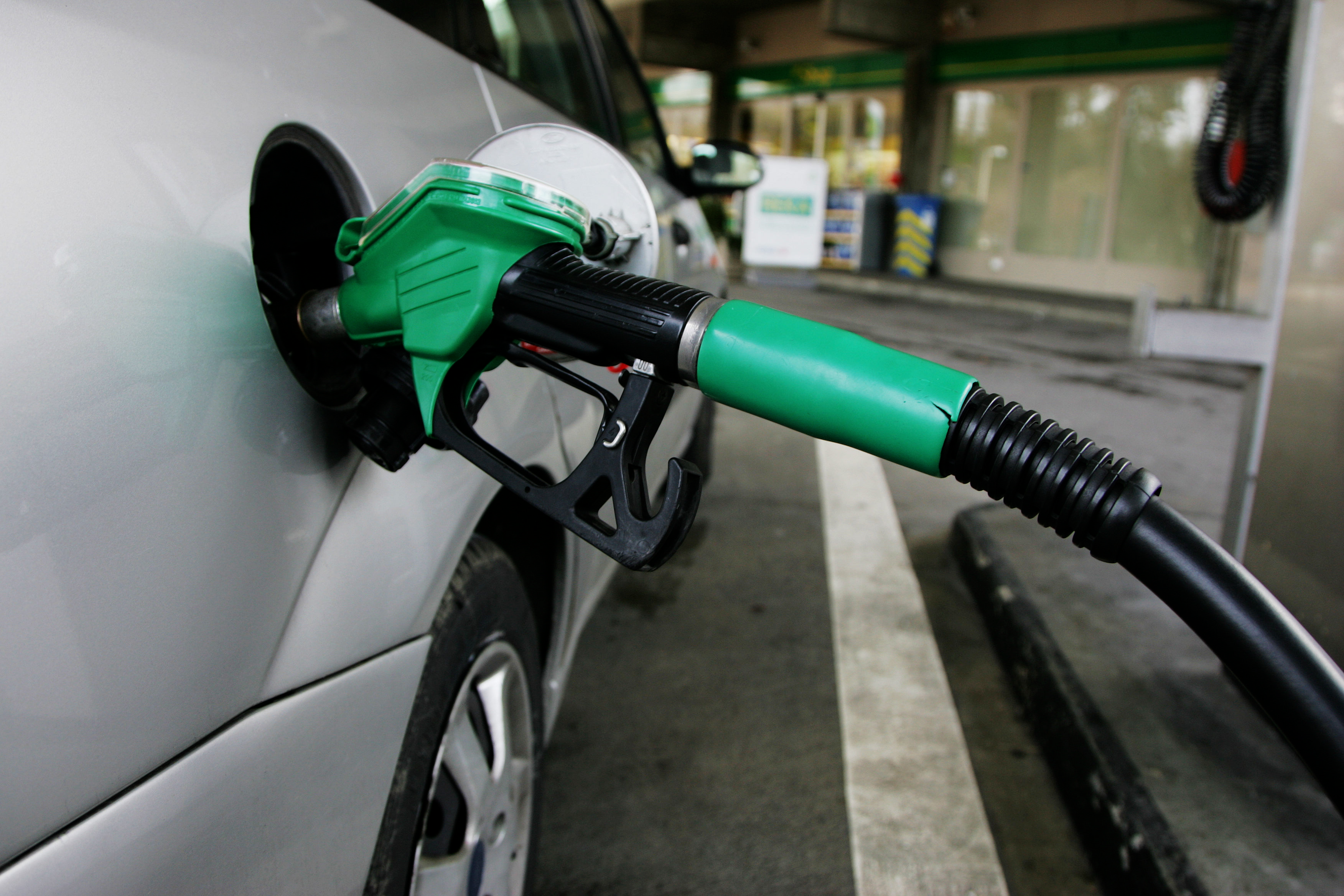
Petrol retailers in the United Kingdom have criticized government warnings about fuel price “rip offs,” arguing that such language has triggered abuse directed at retail staff as petrol prices climb following a surge in global oil costs linked to the conflict involving the United States, Israel, and Iran. Industry representatives say suggestions of profiteering are incorrect and risk inflaming public frustration during a period of rising fuel costs.
The dispute emerged after the RAC reported that petrol prices had reached their highest level in 18 months. According to the group’s latest figures, the average petrol price across the UK has risen to 140.60p per litre, up from 132.83p before the conflict began. Diesel prices increased to 159.18p per litre from 142.38p during the same period.
Government Warns Against Fuel Price Exploitation
The UK government has warned fuel companies against exploiting the situation. Speaking ahead of talks with industry representatives, Ed Miliband said officials wanted to ensure consumers were treated fairly during the current crisis. He noted that the Competition and Markets Authority had previously raised concerns about competition in the petrol retail market.
“If fuel companies try to rip off customers, my government will step in,” wrote Keir Starmer on social media before the meeting.
Miliband told the BBC that the government would not tolerate unfair practices or price gouging. He said using the crisis to overcharge motorists would be unacceptable.
Retailers Say Language Has Led To Staff Abuse
The comments prompted criticism from the Petrol Retailers Association. Executive director Gordon Balmer said some retail staff had faced verbal abuse from customers following public discussion of alleged profiteering.
Balmer said several incidents had been reported by association members, suggesting that accusations of “rip offs” and “profiteering” had contributed to tensions at petrol forecourts.
Earlier on Friday, the association briefly withdrew from a meeting between the industry and the government over concerns about the presence of journalists. The group agreed to attend after Downing Street confirmed that media representatives would only be present at the beginning of the discussion.
Following the meeting, the Petrol Retailers Association described the talks as constructive.
Watchdog Reviewing Competition In Petrol Market
The competition watchdog had previously warned that competition between petrol stations in the UK remained weak. In a report released in December, the Competition and Markets Authority said profit margins for fuel retailers had remained persistently high.
The regulator has also identified a pricing pattern described as “rocket and feather” behaviour. This pattern occurs when retail fuel prices rise quickly after wholesale costs increase but decline more slowly when wholesale prices fall. The authority previously documented this trend following the Russian invasion of Ukraine.
The watchdog has not yet determined whether profiteering has occurred during the current rise in wholesale oil prices, although it is examining the issue.
Commenting on the latest figures, RAC head of policy Simon Williams said drivers should expect fair pricing when filling their vehicles, particularly while pump prices continue to increase. He said the organisation hoped discussions between the fuel industry and the government would produce progress on the issue.
Fuel Price Differences And Supply Chains
Earlier in the week, Rachel Reeves pointed to variations in fuel prices between different petrol stations and encouraged motorists to use the government’s Fuel Finder tool to compare prices.
Retailers say such variations often occur because fuel is purchased through different supply arrangements. Some forecourts buy fuel in bulk weeks in advance, meaning sudden changes in global oil prices may take time to appear at the pump. Others purchase fuel at daily market prices, which can lead to faster price increases.
Energy Security Debate Intensifies
The government also faces pressure to respond to broader energy market concerns. Rising tensions have disrupted shipping through the Strait of Hormuz, one of the world’s key channels for oil and gas supplies.
Some energy companies and industry leaders have argued that the UK should respond by expanding oil and gas exploration in the North Sea.
Miliband rejected calls for new drilling licences, saying the government would continue producing oil and gas from existing North Sea fields but would not approve new ones. He said issuing new licences would not reduce household energy bills and defended the government’s commitment to net-zero climate goals.
According to Miliband, long-term energy security requires developing domestic clean power rather than relying on fossil fuels subject to global price swings.
The energy secretary also announced a plan to introduce a fast-track process for building new nuclear power stations, a sector that has historically faced delays, high costs, and regulatory challenges.
The Green Party of England and Wales said it supported the shift away from fossil fuels but urged the government to fund additional home insulation programmes and introduce what it described as a proper windfall tax on oil and gas companies.
Featured image credits: Wikimedia Commons
For more stories like it, click the +Follow button at the top of this page to follow us.