

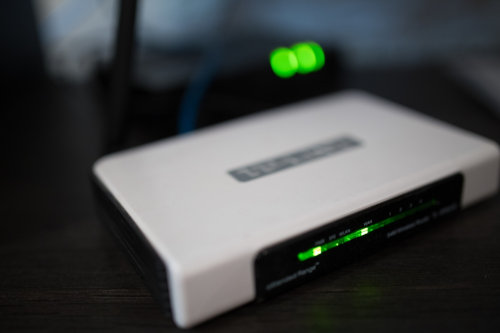
The United States has moved to restrict the sale of foreign-manufactured consumer internet routers, with regulators citing national security concerns and past cyberattacks linked to vulnerabilities in such devices. The decision places routers alongside previously restricted foreign-made technologies, including drones, as authorities tighten controls over network infrastructure.
The policy was introduced through an update by the Federal Communications Commission, which added all consumer-grade routers made outside the US to its list of equipment considered insufficiently secure.
Scope Of The Ban And Approval Requirements
The restriction applies to all new router models manufactured outside the United States.
Consumers can continue using devices they already own, but any new foreign-made routers must receive approval before they can be imported, marketed, or sold domestically.
Manufacturers seeking approval will be required to disclose foreign ownership or influence and provide plans to shift production to the United States.
The FCC said certain exemptions may be granted if devices are approved by the Department of Defense or the Department of Homeland Security, although no specific exemptions have been announced.
Security Concerns And Cyberattack Links
The decision follows a determination by US national security agencies that foreign-made routers pose “unacceptable risks.”
According to the FCC, vulnerabilities in these devices have been exploited to conduct cyberattacks, enable espionage, disrupt networks, and facilitate intellectual property theft.
The agency cited three cyber campaigns — Volt, Flax, and Salt Typhoon — which targeted US infrastructure between 2024 and 2025.
US investigations attributed those attacks to actors linked to or operating on behalf of the Chinese government.
Concerns about router security have grown over the past year, with officials identifying the devices as potential entry points for malicious access into home and business networks.
Impact On Manufacturers And Market Structure
The majority of routers sold in the US are manufactured overseas, primarily in China and Taiwan.
The FCC’s policy applies even to products designed in the US but assembled abroad.
Brands such as TP-Link, which produces routers in China and has been a top seller on major online platforms, had already drawn scrutiny following a series of cyber incidents.
Other companies, including Netgear, design products domestically but rely on overseas manufacturing, placing them within the scope of the new rules.
Limited Domestic Production Alternatives
Domestic production of consumer routers remains limited.
One example cited by regulators is the WiFi router produced by Starlink, a division of SpaceX.
The company has stated that its routers are manufactured in Texas.
The new policy reflects broader efforts by US authorities to address supply chain risks and strengthen control over critical technology infrastructure.
Featured image credits: rawpixel.com
For more stories like it, click the +Follow button at the top of this page to follow us.