

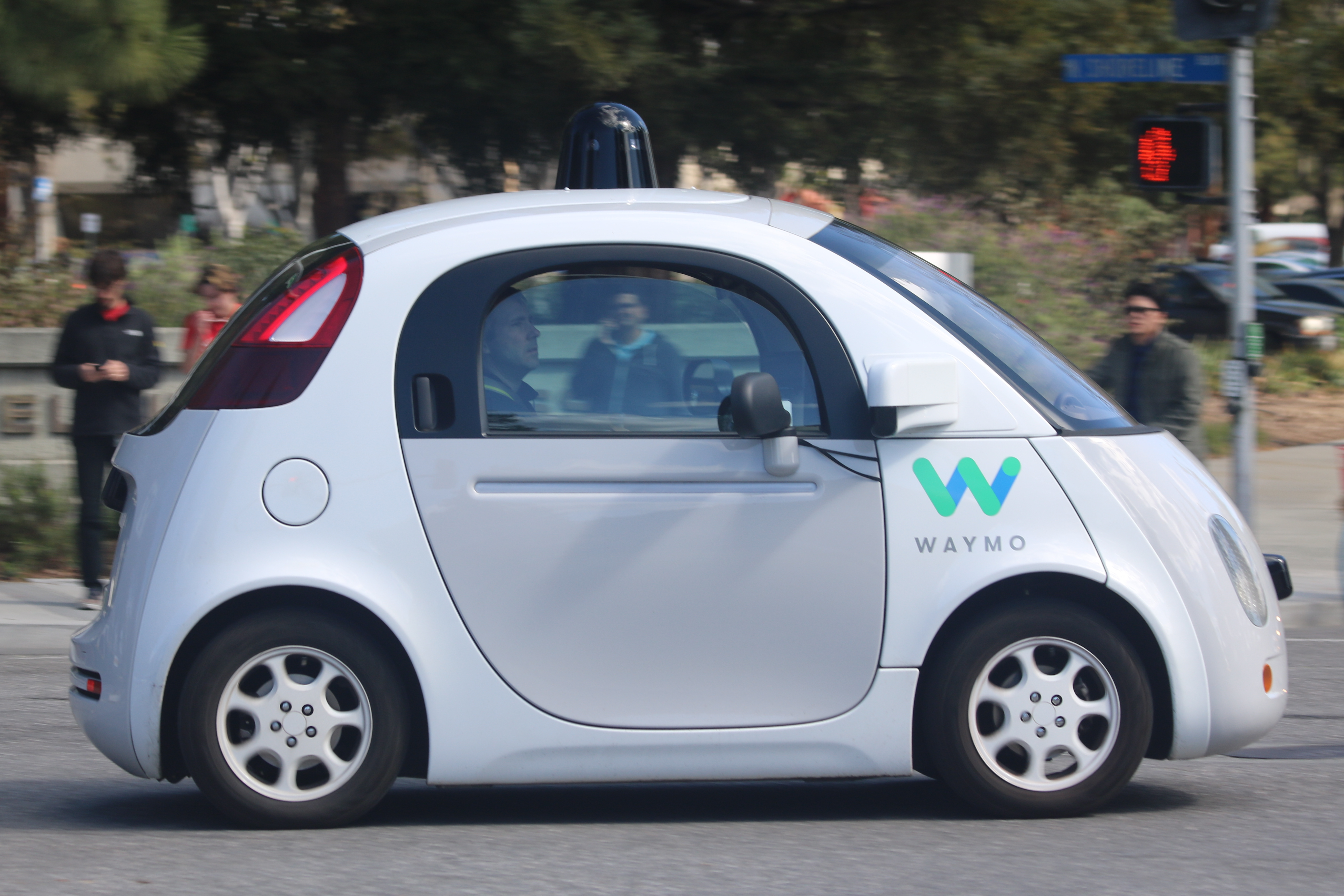
Waymo is now delivering 500,000 paid robotaxi rides each week across 10 U.S. cities, reflecting rapid growth in both ridership and market expansion as the company scales its commercial operations.
The company, owned by Alphabet, has increased its weekly ride volume tenfold in under two years, rising from 50,000 trips per week in May 2024 to its current level. During the same period, Waymo expanded beyond its initial markets of Phoenix, San Francisco, and Los Angeles to additional cities including Austin, Atlanta, Miami, Dallas, Houston, San Antonio, and Orlando, with all seven new locations added within the past year.
Fleet Size And Utilisation Trends
Waymo’s robotaxi fleet has also grown, though the company provides limited updates on its size. Data submitted in December 2025 to the National Highway Traffic Safety Administration indicated a fleet of 3,067 vehicles equipped with its fifth-generation self-driving system. The company continues to describe its fleet as “over 3,000” vehicles.
New vehicle platforms are expected to expand capacity further. Waymo plans to introduce its sixth-generation self-driving system on models including the Zeekr Ojai and the Hyundai Ioniq 5.
The relatively stable fleet size alongside rising trip volumes indicates increased utilisation per vehicle. Higher utilisation is a key factor for revenue generation, as idle vehicles contribute to congestion without generating income.
Regulatory Scrutiny And Operational Challenges
Growth has brought increased oversight. Both the National Highway Traffic Safety Administration and the National Transportation Safety Board are investigating incidents involving Waymo vehicles and school buses.
Local concerns have also emerged. Officials in San Francisco have raised questions about how the company handles stalled vehicles, including instances where emergency services such as police and firefighters were used to move robotaxis.
Comparison With Ride Hailing Market Leaders
Despite its expansion, Waymo’s scale remains smaller than traditional ride-hailing platforms. Uber reported approximately 13.5 billion total trips in 2025, including both ride-hailing and delivery services. In August 2024, the company stated it was completing more than 1 million mobility trips per hour.
Waymo’s current weekly volume represents a small share of that activity, though its growth trajectory continues to differentiate it within the autonomous vehicle sector.
Competition In Autonomous Ride Hailing
Several companies are developing or deploying robotaxi services. Chinese firms such as Pony.ai and WeRide operate paid services outside the United States.
In the U.S., Tesla began a paid robotaxi service in Austin in January. Chief executive Elon Musk has said the company is approaching full autonomy in California, though it does not yet hold the necessary permits for deployment.
Other companies, including Avride, Motional, and Zoox, are also working toward launching paid robotaxi services in various markets by the end of the year.
Featured image credits: Wikimedia Commons
For more stories like it, click the +Follow button at the top of this page to follow us.