

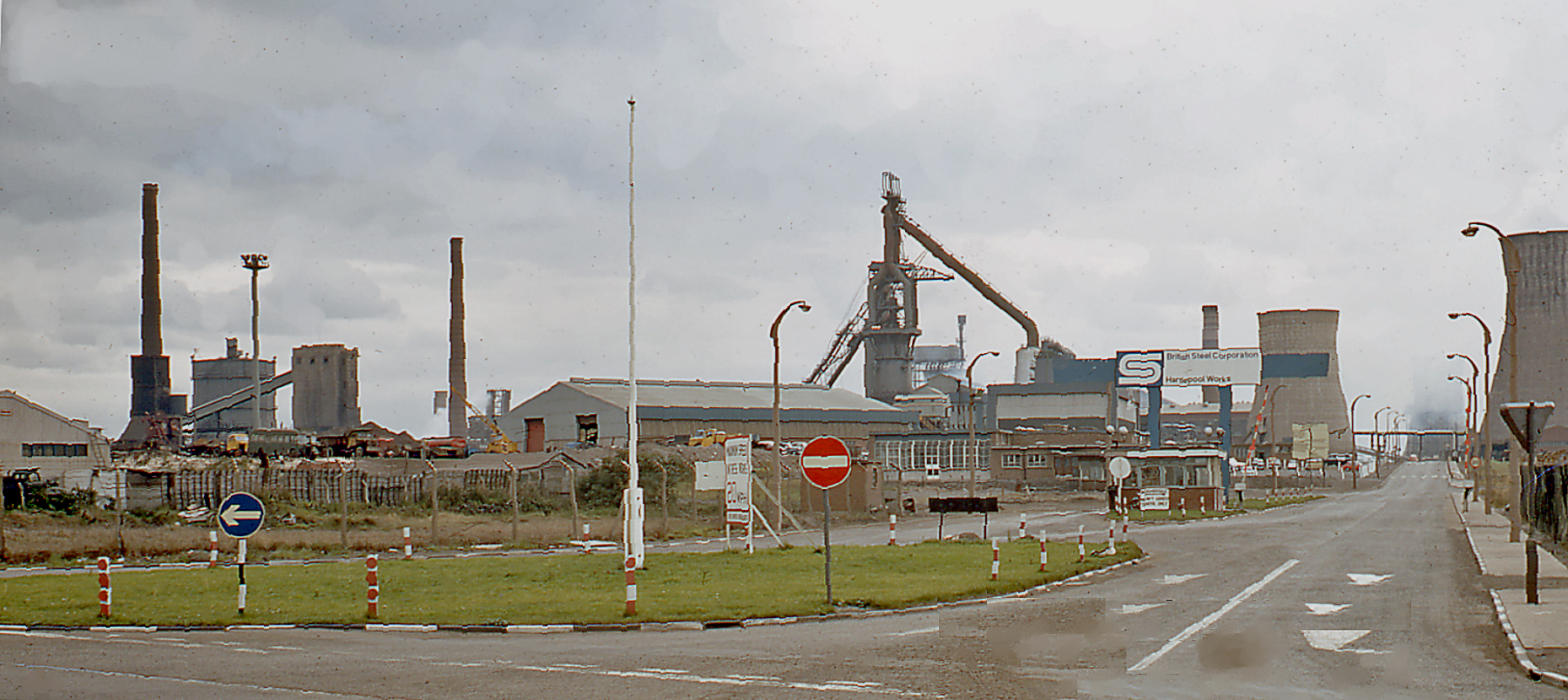
The UK government will bring British Steel into public ownership after efforts to secure a commercial buyer failed, Prime Minister Keir Starmer announced.
Sir Keir said legislation would be introduced this week to give the government powers to take “full ownership of British Steel,” subject to a public interest test.
The announcement follows the government’s decision in April last year to seize control of British Steel’s Scunthorpe steelworks from Chinese owner Jingye Group to prevent the closure of its blast furnaces.
Sir Keir said ministers had continued discussions with Jingye but were unable to secure a commercial sale.
“A commercial sale has not been possible, and now a public test could be met,” he said.
“Public ownership is in the public interest,” the prime minister added during a speech aimed at responding to criticism following Labour’s recent election setbacks.
He also said he intended to prove his “doubters” wrong and argued that for British people, “change cannot come quickly enough.”
Government Moves To Protect Domestic Steel Production
The government had previously resisted taking British Steel fully into public ownership while searching for private investors willing to support the Scunthorpe operation.
Control of the steelworks was taken over after talks with Jingye collapsed amid accusations that the company planned to shut down the site’s blast furnaces.
Industry officials warned that allowing the furnaces to go out would have left the UK without the ability to produce so-called virgin steel because restarting the furnaces would be technically difficult and expensive.
Virgin steel production involves extracting and refining iron from raw materials to produce steel used in infrastructure and construction projects, including railways and buildings.
The government said the public interest assessment would examine factors including national security, critical infrastructure, and economic support.
Steel Industry And Unions Welcome Decision
The steel industry broadly welcomed the announcement.
Gareth Stace, head of industry body UK Steel, said the decision provided “vital certainty” for the company’s 2,700 workers and its customers.
“Maintaining domestic production capability for British Steel’s products is essential not only for economic growth but also for our national security and resilience,” Stace said.
However, he said nationalisation should not become the final objective.
“This must be the beginning of a clear and credible long-term plan for British Steel,” he added, calling for an investment strategy for the business.
Union leaders also backed the government’s decision.
Roy Rickhuss and Sharon Graham said in a joint statement that they “fully support” the move.
“British Steel has a bright future, with a world class highly skilled workforce making strategically important steels for the UK’s rail and infrastructure,” they said.
The unions also urged the government to ensure publicly funded projects prioritize domestically produced steel.
Charlotte Brumpton-Childs said it was “right the government does everything in its power to secure its long term future.”
Costs Of Government Intervention Continue To Rise
Ahead of government intervention last year, Jingye said the Scunthorpe operation was losing £700,000 per day and had become financially unsustainable.
The BBC reported that the government is currently spending about £1 million per day to keep the company operating.
In March, the National Audit Office said the government’s supervisory regime for British Steel had already cost approximately £377 million.
According to the NAO, continued spending at the current pace could exceed £1.5 billion by 2028 depending on future policy decisions.
The government has not announced how much full nationalisation could ultimately cost taxpayers.
The report said that following legislation, an independent valuation of British Steel would be conducted to determine whether compensation should be paid to Jingye.
This is the second time in recent years the UK government has taken control of British Steel.
In 2019, the Insolvency Service managed the company for nine months after its collapse, at a reported cost of £600 million.
Featured image credits: Wikimedia Commons
For more stories like it, click the +Follow button at the top of this page to follow us.