

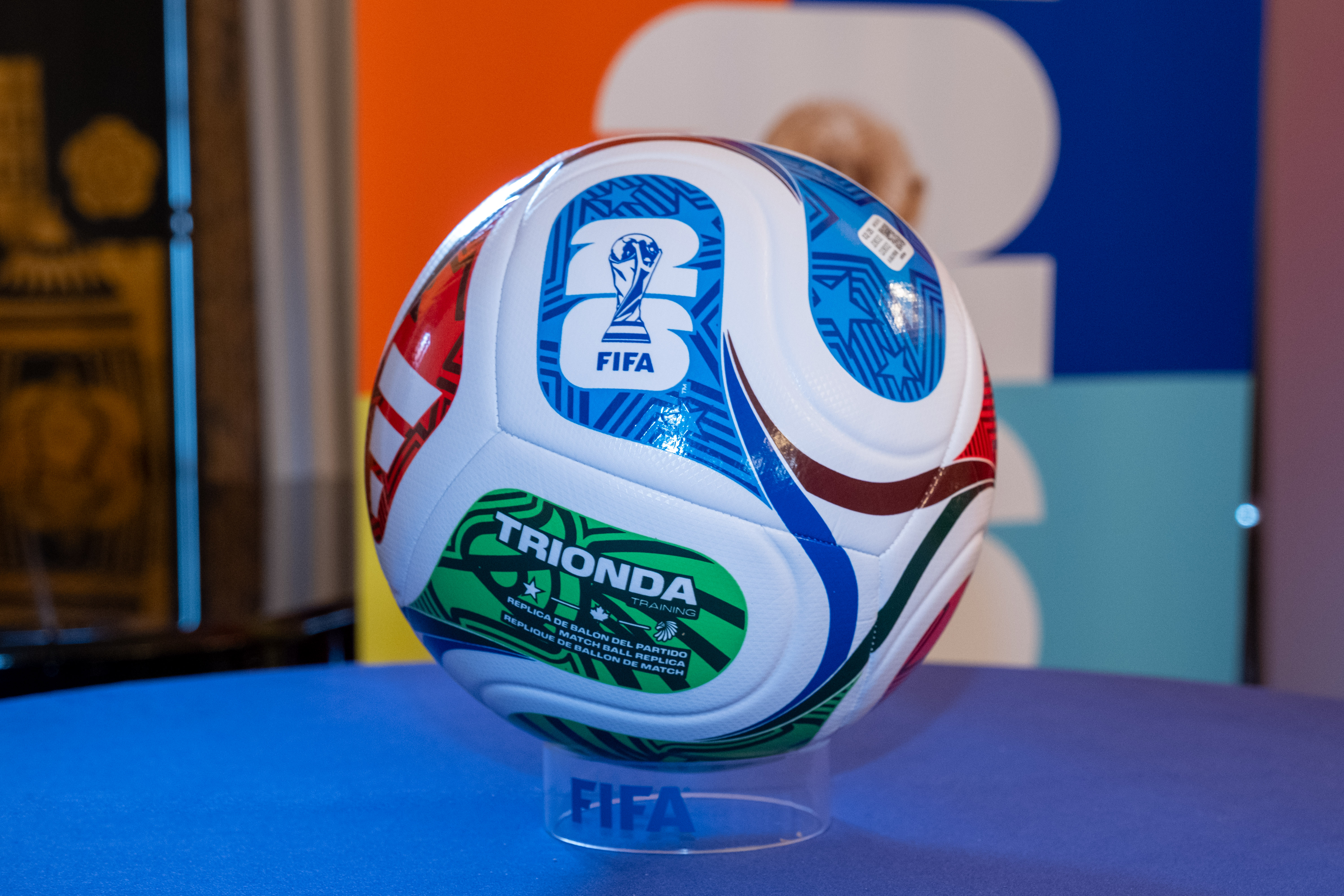
The expanded 2026 World Cup generated major commercial opportunities for FIFA, broadcasters, sponsors, merchandise sellers and betting companies, but fans, hotels and host cities faced a more difficult financial outcome. The tournament grew from 32 to 48 teams and featured 104 matches across the United States, Canada and Mexico.
FIFA earned a record $7.6 billion during the four-year cycle that included the 2022 World Cup. Marion Laboure, a senior strategist at Deutsche Bank Research, estimated that its revenue for the latest cycle would approach $13 billion.
FIFA Expands Its Revenue Sources
FIFA earns money through broadcasting and licensing rights, sponsorship agreements, hospitality packages and ticket sales. It also charged buyers and sellers a 15% fee through its official ticket resale marketplace.
Ticket prices became a major concern for supporters. Some official seats for the final at MetLife Stadium were offered at $32,970, while resale listings exceeded $2 million.
Fans also paid higher prices for flights, accommodation, food and transport. A special New Jersey Transit fare for a journey to MetLife Stadium initially rose from $12.90 return to $150 before public criticism led to a reduction.
Advertising and Betting Generate More Revenue
Broadcasters paid heavily for tournament rights but gained access to large audiences and expensive advertising inventory. Fox Sports reportedly paid $485 million for US rights, while a 30-second advertising slot cost between $200,000 and $300,000 on average and reached $750,000 during later US matches.
Hydration breaks created another opportunity for sponsored advertising. FIFA President Gianni Infantino said the breaks were introduced for sporting reasons and did not generate additional revenue for the governing body.
The tournament was also expected to become the largest sports betting event recorded. Macquarie estimated that about $50 billion would be wagered, equal to roughly $500 million per match, partly because the expanded format added 40 games compared with 2022.
Merchandise Sales Rise as Hotels Struggle
Nike said its national-team kit sales more than doubled from the 2022 tournament, with England its best-selling shirt. Adidas reported that Mexico led its national-team jersey sales, while JD Sports recorded strong demand for England and Scotland kits.
Hotels experienced less consistent demand. The British Columbia Hotel Association said June and July bookings remained behind previous years despite Vancouver hosting seven matches, while many US operators reported reservations below their initial forecasts.
The American Hotel and Lodging Association accused FIFA of reserving too many rooms and creating an inaccurate impression of demand. FIFA said it did not recognise the allegation.
Host Cities See Limited Long-Term Gains
A FIFA and World Trade Organization study projected that the tournament could add $40.9 billion to global gross domestic product and support nearly 824,000 full-time-equivalent jobs. FIFA separately estimated a $17.2 billion contribution to the US economy and 185,000 full-time jobs.
Alexander Budzier of Oxford University said major sporting events usually create temporary, lower-paid hospitality work rather than lasting wealth. Because the 2026 tournament relied largely on existing stadiums, hotels and transport systems, host cities also had fewer opportunities to gain from major redevelopment projects.
A Reuters analysis found that FIFA remained the main financial beneficiary while host cities recorded more modest returns. Another Reuters report found that Mexico’s economic gains fell below early expectations despite strong attendance and public interest.
Featured image credits: Wikimedia Commons
For more stories like it, click the +Follow button at the top of this page to follow us.