

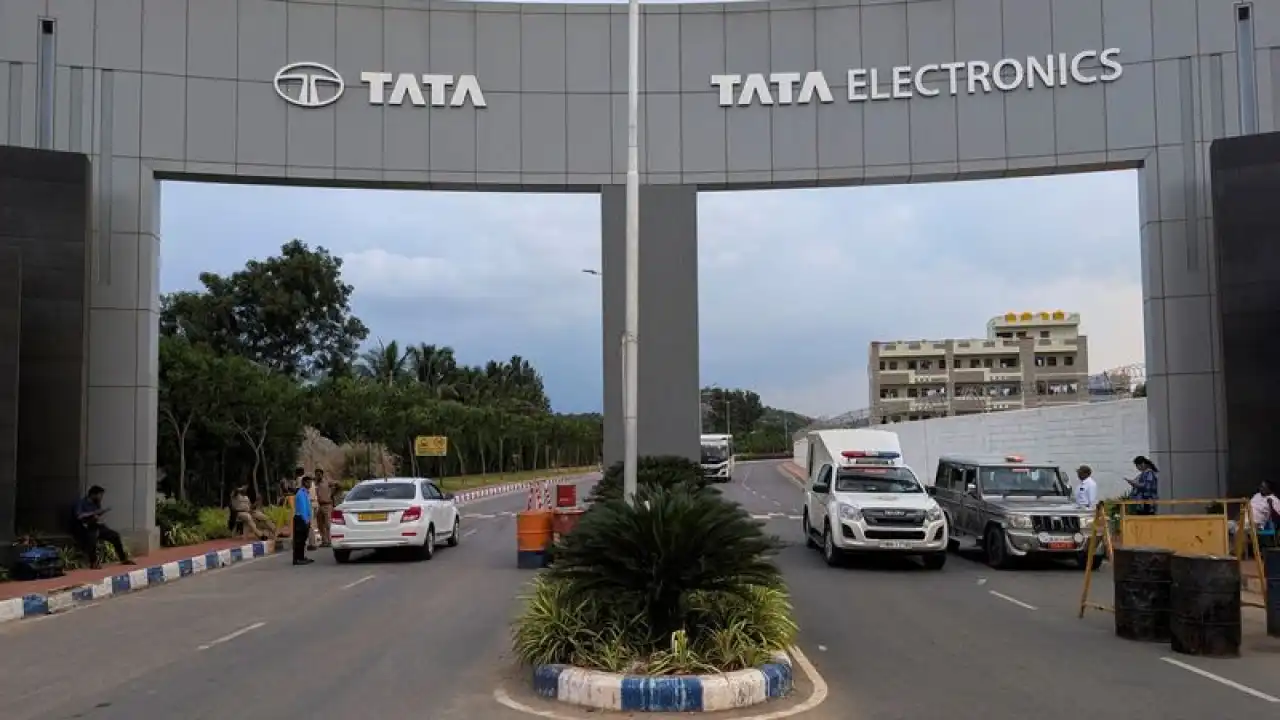
Tata Sons is searching for a new chairman after N Chandrasekaran’s resignation earlier this month, leaving one of India’s most influential corporate roles vacant at a time when the group is managing heavy investment, mounting losses in newer businesses, and tensions with Tata Trusts.
The $300 billion Tata group spans businesses including Jaguar Land Rover, Air India, Tata Consultancy Services, semiconductors, electric vehicle batteries, and iPhone manufacturing. Experts say the next chairman will need to manage both the operational complexity of those businesses and the relationship between Tata Sons and Tata Trusts, its controlling shareholder.
New Businesses Are Consuming More Capital
Chandrasekaran stepped down amid disagreement over his reappointment and a wider dispute with Tata Trusts. Reported points of tension included a possible public listing of Tata Sons and how capital should be allocated across newer businesses such as semiconductors, e-commerce, and aviation.
The group is in the middle of its largest capital investment cycle, spending tens of billions of dollars on projects including India’s first commercial semiconductor fabrication plant, EV battery production, and the continued turnaround of Air India, which Tata acquired from the government in 2022.
Nirmalya Kumar, a former head of strategy at Tata Sons, told the BBC that losses from newer businesses now exceed the cash generated by some of the group’s older companies.
TCS has historically contributed about 85% of Tata group cash flow, but its business model is facing pressure from changes in the software industry, including AI.
The Next Chairman Will Need a Broad Skill Set
Hetal Dalal of governance advisory firm Institutional Investor Advisory Services said the role requires experience across corporate governance, government relations, regulation, capital allocation, and multiple industries.
Tata has several possible internal candidates, but Dalal said it may be difficult to find someone who can immediately take on every aspect of the role.
Kumar questioned whether current internal executives have enough experience with the newer businesses that are still losing money. He said leaders of established businesses such as Tata Steel and Tata Motors are strong operators, but the group chairman will also need to assess unfamiliar business models and decide how much additional capital they require.
Some investments may need to be reduced, restructured, or exited, according to Dalal.
Relations With Tata Trusts Will Be a Key Issue
Experts say repairing alignment between Tata Sons and Tata Trusts will be one of the new chairman’s most important tasks.
Relations between the controlling shareholder and the operating company were more straightforward when JRD Tata and later Ratan Tata held leadership roles across both organizations. Friction became more visible during Cyrus Mistry’s tenure and has again emerged during Chandrasekaran’s departure.
Mukund Rajan, a former Tata Sons executive, told India Today that companies cannot operate effectively when their majority shareholder feels ignored or disagrees with the business strategy.
The leadership uncertainty has also raised governance concerns. Nearly two weeks after Chandrasekaran’s resignation, Tata Sons and Tata Trusts had not published a detailed succession roadmap.
Tata Sons’ annual general meeting was also adjourned because of a lack of quorum, leaving several governance and succession matters unresolved as investors await greater clarity over the group’s leadership and strategic direction.
Featured image credits: Polites News
For more stories like it, click the +Follow button at the top of this page to follow us.