

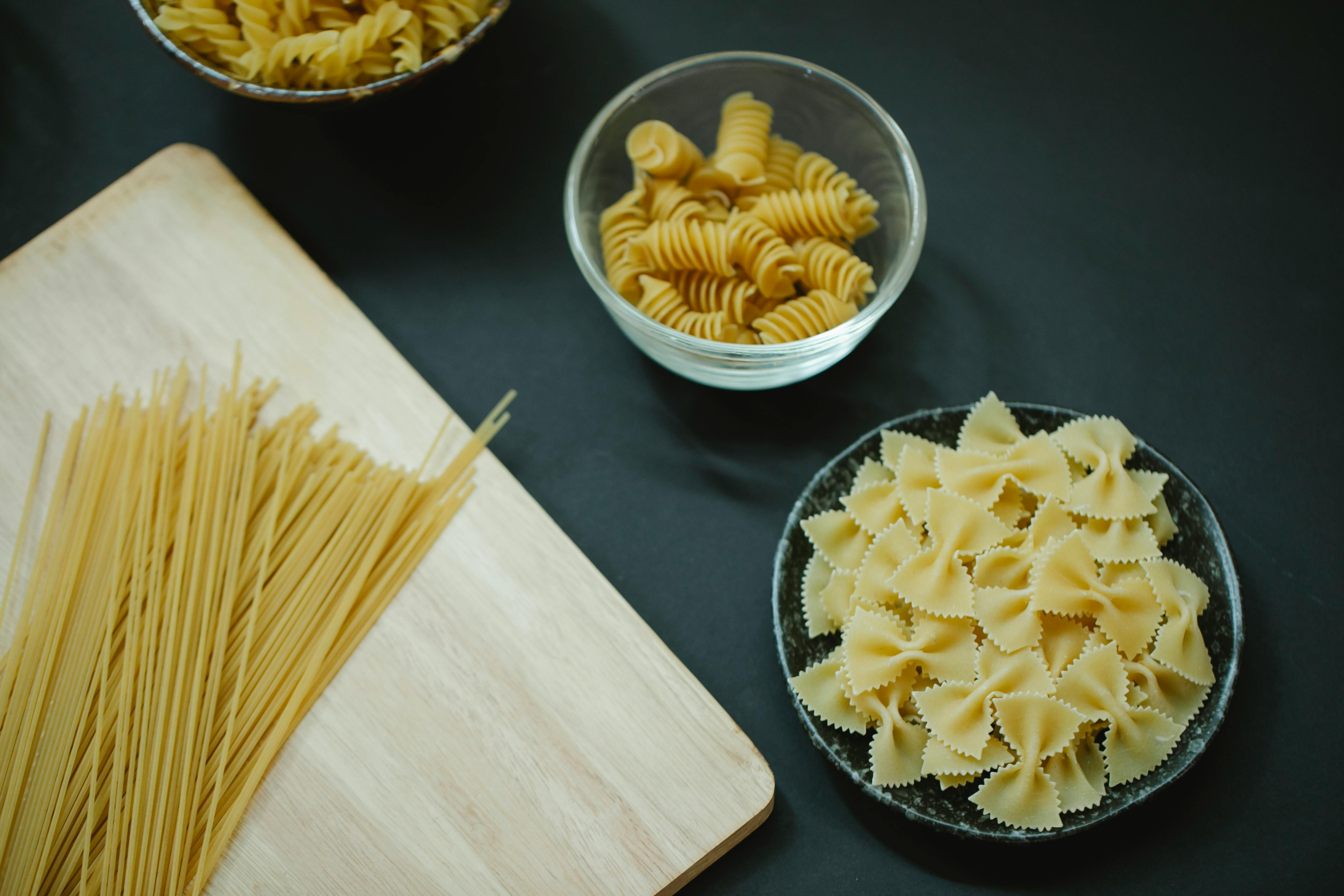
Italian pasta will avoid steep US tariffs after the Trump administration reduced duties that had been proposed on imports from 13 Italian producers, a move that had raised concerns about sharp price increases for American consumers.
The Italian foreign ministry said on Thursday that the planned tariff rates had been significantly lowered following discussions with US authorities. The US government separately said the companies involved had addressed many of the concerns that led to the initial proposal.
The tariffs, if imposed at their original levels, would have meant American importers paying taxes exceeding the value of the pasta itself. The US Commerce Department had previously accused the producers of selling pasta in the US at unfairly low prices, a practice known as dumping, and had threatened duties of nearly 92%.
Tariffs are paid by importers and often passed on to consumers through higher prices. Since returning to office, Donald Trump has introduced a broad set of import taxes aimed at reshaping trade relationships and encouraging domestic manufacturing, though several measures have since been adjusted or delayed.
In the pasta case, US authorities alleged that Italian products were being sold in the American market at “less than normal value,” undercutting US-based producers. The Commerce Department had been preparing to apply a tariff rate of 91.74% on imports from the 13 companies. Combined with an existing 15% tariff on most European Union goods, the total tax burden would have exceeded 100% of the product’s value.
The proposal prompted concerns about higher prices for consumers, even though the affected producers account for only a small portion of total Italian pasta imports into the US. The plan also risked becoming a political issue for Italian Prime Minister Giorgia Meloni, who is seen as having a comparatively close relationship with Trump among European leaders.
On Thursday, Italy’s foreign ministry said the revised decision reflected US recognition of “constructive co-operation” by Italian companies. According to the ministry, the tariff rate for one producer, La Molisana, was reduced to 2.26%, while other companies will face rates ranging up to 13.98%.
In a statement provided to CBS News, a spokesperson for the US Commerce Department said a post-preliminary analysis showed that Italian pasta makers had addressed many of the department’s earlier concerns. The spokesperson added that the department would continue engaging with interested parties before issuing a final determination.
The pasta decision follows other recent adjustments to Trump-era tariff plans. A proposed increase in duties on imported furniture was postponed for 12 months shortly before it was scheduled to take effect on New Year’s Day. In November, Trump also signed an order exempting certain food products, including coffee, bananas, and beef, from new tariffs.
Featured image credits: Pexels
For more stories like it, click the +Follow button at the top of this page to follow us.