

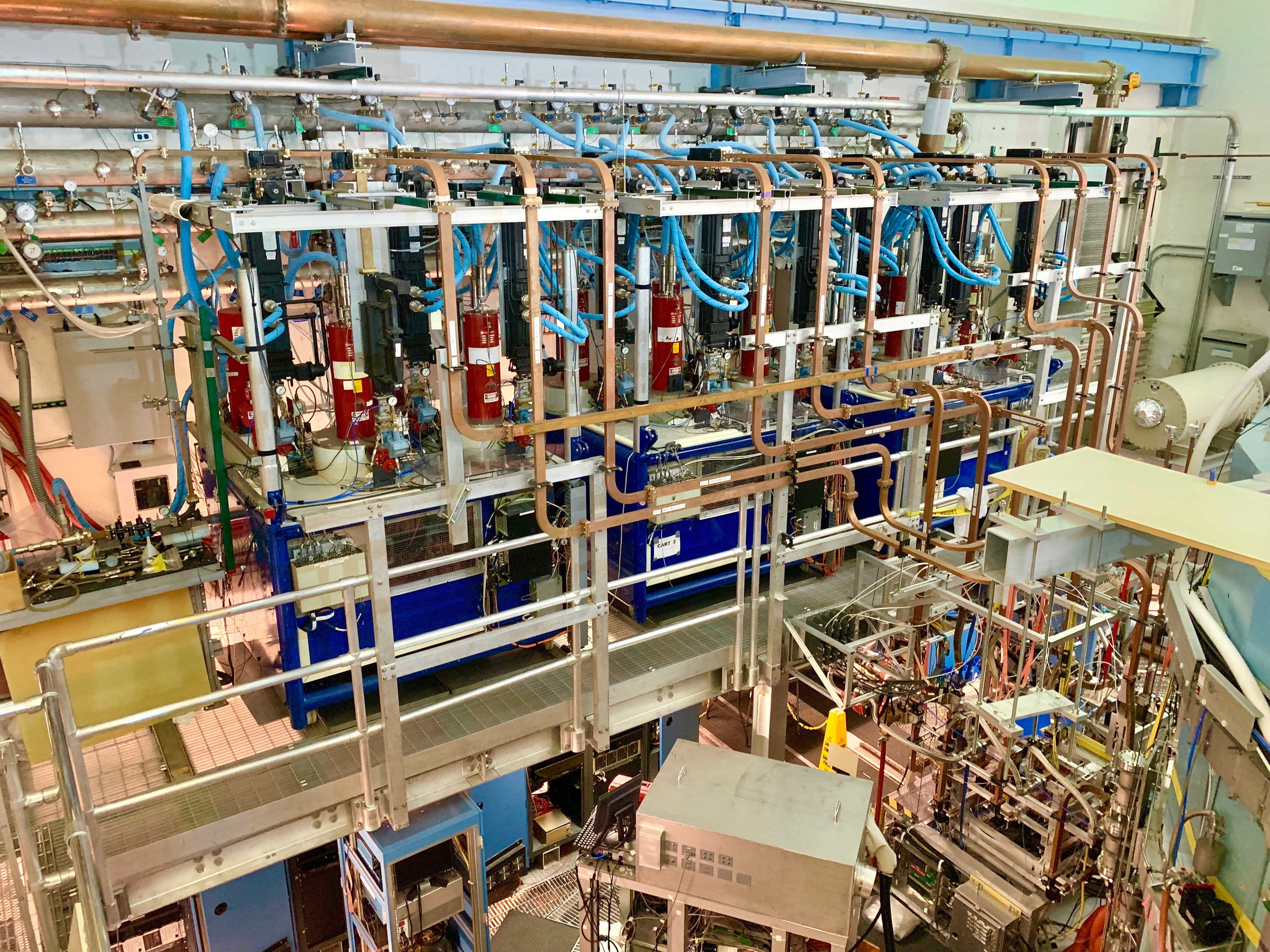
Commonwealth Fusion Systems said on Tuesday at CES 2026 that it has installed the first magnet in its Sparc fusion reactor, marking a major construction milestone for the demonstration system the company hopes to power on next year.
First Magnet Marks Key Construction Milestone
The magnet is the first of 18 that will eventually form a doughnut-shaped structure designed to generate an intense magnetic field. That field will confine and compress superheated plasma inside the reactor. If successful, the plasma reaction is expected to release more energy than is required to heat and compress it.
Fusion Race Gains Momentum
After decades of scientific promise and repeated delays, fusion power is increasingly viewed as nearing commercial reality. Commonwealth Fusion Systems and its competitors are racing to deliver fusion-generated electricity to the grid in the early 2030s. Advocates say fusion could provide nearly limitless clean energy using power plants that resemble today’s conventional facilities.
Magnet Installation Timeline And Specifications
Key components of Sparc’s magnet system have already been completed, and the company expects all 18 magnets to be installed by the end of summer, according to CFS co-founder and chief executive Bob Mumgaard. He said assembly will accelerate throughout the first half of the year as the remaining magnets are put in place.
Once installed, the D-shaped magnets will stand vertically on a 24-foot-wide, 75-ton stainless steel cryostat that was installed last March. Each magnet weighs about 24 tons and can generate a magnetic field of 20 tesla, roughly 13 times stronger than a standard MRI machine.
Extreme Conditions Inside The Reactor
To reach that strength, the magnets will be cooled to minus 253 degrees Celsius, allowing them to safely conduct more than 30,000 amps of electrical current. Inside the toroidal chamber formed by the magnets, plasma temperatures are expected to exceed 100 million degrees Celsius.
Digital Twin Development With Nvidia And Siemens
To reduce technical risk before Sparc becomes operational, CFS is developing a full digital twin of the reactor in collaboration with Nvidia and Siemens. Siemens is providing design and manufacturing software, while Nvidia’s Omniverse platform will be used to integrate data into advanced simulation models.
The company has already run multiple simulations on individual systems, but Mumgaard said those efforts operated largely in isolation. The digital twin will run in parallel with the physical reactor, allowing engineers to continuously compare simulated behavior with real-world performance.
Accelerating Learning And Reducing Risk
CFS plans to test operational changes and experimental parameters in the digital model before applying them to Sparc itself. The goal is to speed up learning, improve reliability, and reduce the risk of costly errors once the reactor is live.
Funding And Commercial Outlook
Building Sparc has required significant investment. CFS has raised nearly $3 billion so far, including an $863 million Series B2 round in August backed by Nvidia, Google, and dozens of other investors. The company’s first commercial-scale power plant, known as Arc, is expected to cost several billion dollars more.
Mumgaard said digital twin technology and AI-driven modeling could help shorten the timeline to commercial fusion power. He added that the urgency of climate and energy demands makes accelerating fusion development a top priority for the company.
Featured image credits: Wikimedia Commons
For more stories like it, click the +Follow button at the top of this page to follow us.