

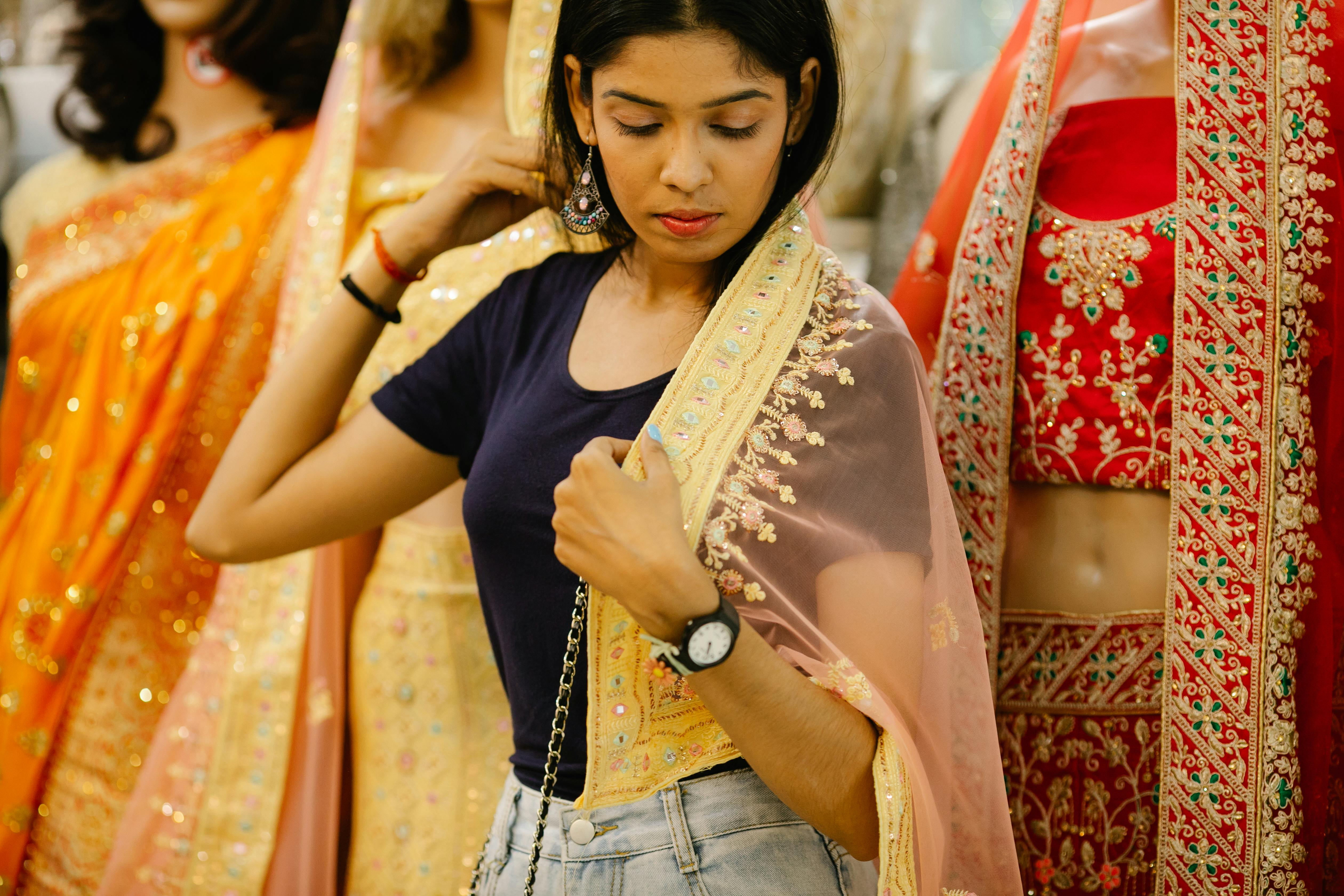
At a three-storey Reliance Trends outlet in Sangli in western India, a geriatric care worker named Alka browses racks of Indian ethnic-wear kurtas in bright colors while looking for a baby pink design with a dull gold paisley motif. She told the BBC she saw someone wearing it at work and wanted to buy one for her daughter. The store carries items that range from printed T-shirts and jeans to office wear, along with makeup kits, sneakers, handbags, and costume jewelry. For Alka, shopping in an air-conditioned store with trial rooms, staff assistance, and discount scratch cards is a new experience after years of buying low-cost clothing from street bazaars.
Budget Chains At Bazaar Prices
Reliance Trends, run by Isha Ambani of Reliance Industries, and Tata’s Zudio are offering clothing at prices similar to bazaars while providing a more structured retail experience. In these stores, most items cost between $4 and $15, according to Pankaj Kumar, a retail analyst at Mumbai-based Kotak Securities. He said the designs are contemporary and that demand for branded clothing is increasing.
This change is visible in smaller towns, where value-conscious and aspirational shoppers are driving growth in the organized fast-fashion segment. Brands such as Max, Vishaal Mega Mart, Trends, and Zudio are leading that expansion. Quarterly figures for Trends are not public, but Zudio’s growth has exceeded that of Zara, H&M, and Tata Group’s Westside over recent years.
Zudio’s Store Expansion And Revenue Shift
In 2018, Zudio had seven stores and about $12 million in revenue, while Westside operated 125 stores with around $220 million in revenue. By mid-2025, Zudio had expanded to 765 stores and crossed $1 billion in revenue, becoming the only Indian clothing brand to reach that level. Westside doubled its store count and tripled revenue, though its growth rate remained lower.
Kotak Securities described Zudio’s approach as a mass-market strategy focused on pricing, noting that even low-cost fashion remains a discretionary purchase in tier-2 and tier-3 towns.
Wallet Shift Rather Than Higher Spending
The growth comes at a time when India’s job market has been weak, wage growth has been limited, and private consumption, which accounts for about 60% of GDP, has been uneven. Kushal Bhatnagar of Redseer Strategy Consultants said the change reflects a shift in where people spend rather than an increase in how much they spend. He said consumers are moving purchases from small local shops to branded outlets.
Budget chains have focused on expanding into more locations and reaching deeper into smaller markets. Zudio and Max have also pushed what Bhatnagar called the trendification of low-cost fashion by tracking styles from Paris and Milan to appeal to Gen-Z and younger millennial buyers.
Inventory Speed And The Zara Playbook
An early partnership between Trent, Zudio’s parent company, and Zara influenced Zudio’s strategy, according to Bhatnagar. Zudio turns over inventory in about 15 days, compared with 45 to 60 days for many rivals. Kumar said speed matters in fashion because faster changes in store assortments encourage more frequent visits.
Pressure On Small Stores And Online Competition
Local shops are facing pressure not only from budget chains but also from online platforms such as Meesho, which aggregates sellers and ships low-cost goods across India. Meesho has been growing revenue at 35% to 40% year over year. Bhatnagar said that as income per person rises, branded goods and online shopping become more common in retail.
He said the next challenge is to increase total consumption rather than only shifting market share. India’s apparel market is estimated at $70 billion to $100 billion. He said spending per person on clothing remains lower than in China, the United States, or Indonesia, and that growth has stayed below 10% in recent years instead of the 12% to 15% seen in stronger periods.
Environmental Impact And Recycling Limits
The expansion of fast fashion has raised concerns about environmental impact. A recent report said textiles are the third-largest source of dry municipal solid waste in India after plastics and paper and cardboard, and only about a quarter is recycled. Deloitte estimates that less than 1% of used clothing is recycled into new garments and recycled fibers worldwide.
Featured image credits: Pexels
For more stories like it, click the +Follow button at the top of this page to follow us.