

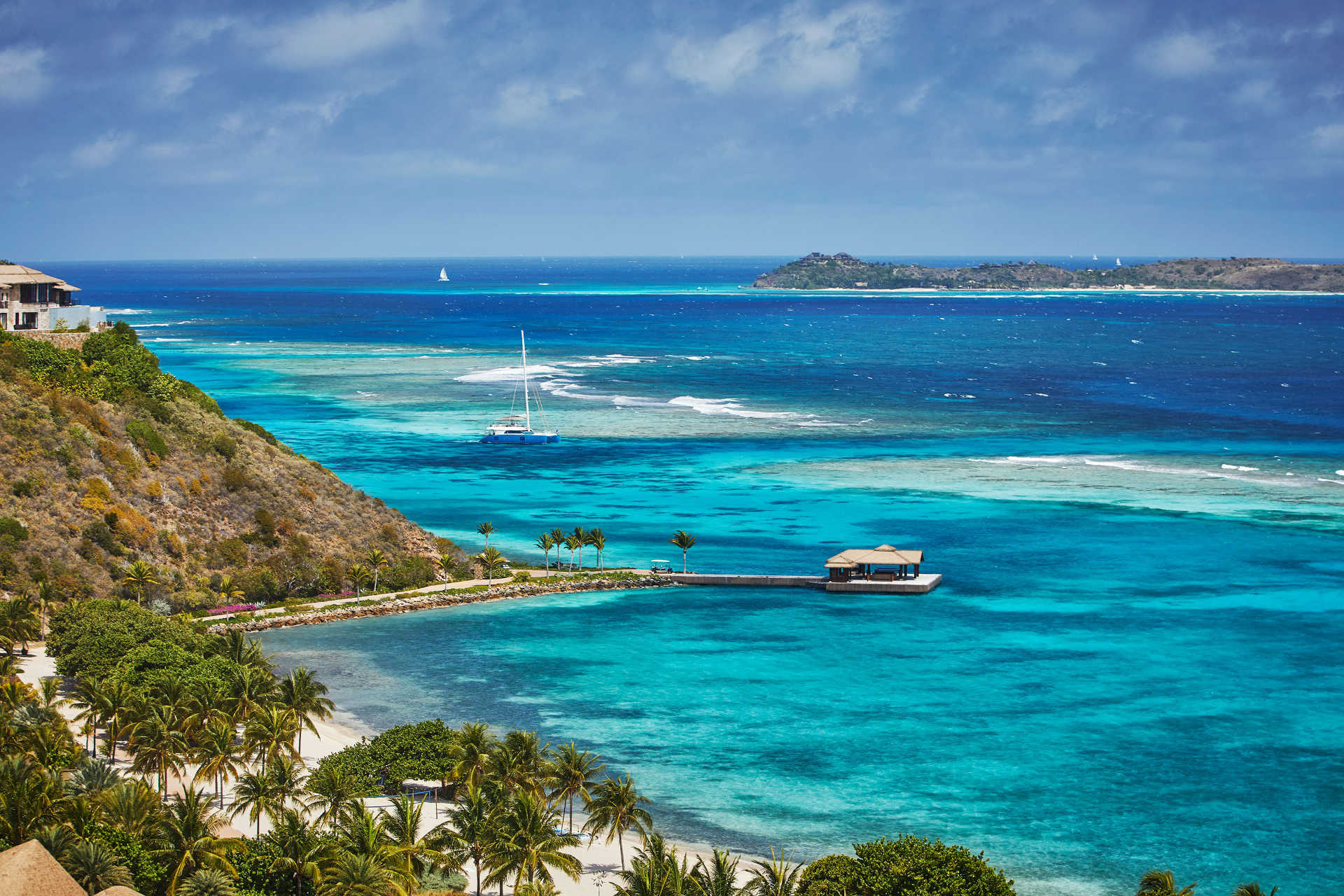
Local beach access in parts of the Caribbean is shrinking as large resort developers build exclusive complexes that restrict shorelines historically used by residents, campaigners, lawyers and local officials say. Longstanding communal or public rights clash with new laws, private leases and bypass roads that limit locals’ access, prompting legal challenges and protests across islands including Barbuda, Jamaica and Grenada.
Barbuda case
The Pink Sands Beach Bar in Barbuda, a community hub for more than 20 years, was destroyed in Hurricane Irma in 2017 and later demolished amid contested development activity, its former owner Miranda Beazer alleges.
Beazer says she holds a lease to 30 acres of coastline but currently has access to only eight; she and lawyers from the Global Legal Action Network claim foreign developers Murbee Resorts and Peace Love and Happiness (PLH) occupy the remainder.
Property law complication
Barbuda’s land is held collectively under a system dating from post‑slavery practice and formalised in the Barbuda Land Act 2007, meaning residents have occupancy rights via leases but do not hold private title.
That communal structure requires consultation on major developments, a provision campaigners say developers and some new laws have circumvented.
Paradise Found and legal rulings
The Beach Club Barbuda, developed by Paradise Found with investors including Robert De Niro and James Packer, occupies a large coastal site with luxury villas and a gated layout that locals say blocks access.
To enable the project, the government passed the Paradise Found Act in 2015 exempting the complex from the 2007 Land Act; the Judicial Committee of the Privy Council in 2022 ruled that individual Barbudans’ status did not constitute property rights enforceable as private title.
Local impact and resistance
Miranda and other Barbudans say the last publicly accessible strip of southern coastline is threatened and that developers have ringfenced beaches with roads and private plots.
Barbuda Council officials and campaigners argue the developments displace residents and undermine collective land rights.
Jamaica and broader regional issues
In Jamaica, campaigners with the Jamaica Beach Birthright Environmental Movement (Jabbem) say colonial‑era laws leave locals without legal rights over the foreshore, and they estimate less than 1% of the coastline remains freely accessible.
Government proposals to formalise beach access have prompted legal challenges; critics say measures risk allowing hotels to sell beach passes that further restrict local movement.
Grenada and growing demand
Smaller islands such as Grenada face similar pressures as rising tourist demand attracts resort investment, prompting fears the islands will lose community character and public coastal access.
Local advocacy groups are mounting legal and public campaigns to protect shorelines and community use.
Economic drivers and tensions
The Caribbean’s heavy reliance on tourism — the region is among the most tourism‑dependent globally, with roughly half of visitors from the U.S. — makes beachfront development economically attractive to governments.
Campaigners counter that tourism projects often concentrate wealth away from local communities, displace residents from ancestral coastlines, and restrict day‑to‑day access to beaches that sustain local livelihoods.
Legal and policy responses
Developers and government bodies defend projects as lawful and investment‑driving; Paradise Found says The Beach Club followed local laws and approvals and that public access to Princess Diana Beach “remains unchanged.”
Lawyers and rights experts warn that exemptions to communal land laws, special‑purpose acts, and weak enforcement foster conflicts and could invite further litigation.
Community perspectives
Supporters of local access stress cultural and practical importance: bars, markets and informal vendors rely on shoreline access, and residents value shared spaces for social life.
Some locals also see opportunities in tourism, but many campaigners call for stronger protections for communal land rights, stricter development oversight, and meaningful consultation before projects proceed.
Featured image credits: Oil Nut Bay
For more stories like it, click the +Follow button at the top of this page to follow us.