

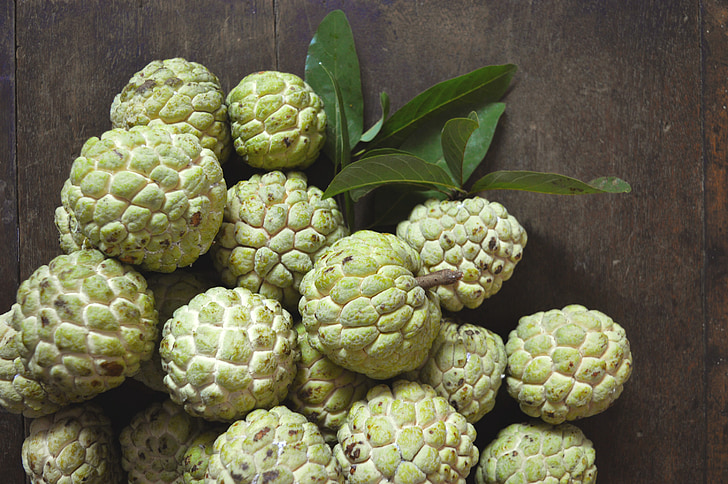
Ashoka Shivareddy and other farmers in India are expanding custard apple production and exports by using hardier varieties, better post-harvest handling, and cold-chain logistics to turn a drought-tolerant crop into a commercial opportunity. The shift is being driven by rising demand at home and abroad, even as the fruit’s short shelf life and delicate pulp create processing and transport challenges.
From drought to fruit
Shivareddy’s family left farming in Kolar, southern India, after years of losses in a drought-prone district where rainfall is low and borewells run deep.
He later returned to the family land in 2018, seeking a crop that could survive on rainfall, use little water, and require fewer pesticides.
Choosing custard apple
Custard apple fit that brief because the trees already grew wild in the area and locals sold the fruit at market.
Shivareddy planted trees more densely than usual and chose three varieties to lift yields, which he says rose from around 20 tonnes last year to about 25 tonnes this year.
Research and hybrids
Scientists at the Indian Institute of Horticulture Research in Bengaluru developed Arka Sahan, a hybrid with fewer seeds, more pulp, and a shelf life of about a week at room temperature.
The institute says hybrids like Arka Sahan have raised pulp recovery from roughly 30% in wild varieties to 70%, effectively doubling usable harvest without expanding land use.
Exports and processing
Maharashtra leads national custard apple output, and farmer Navnath Malhari Kaspate spent years cross-pollinating seeds to create NMK-01, a high-yield variety sold since 2014.
He says the variety has opened export markets in Gulf countries and Europe, while exporters such as Manoj Kumar Barai ship NMK-01 to the US, UAE, Saudi Arabia, and Europe.
Cold chain demands
Exporting custard apple requires careful timing, refrigeration, and packaging because the fruit is highly sensitive to heat.
Farmers and exporters pre-cool the fruit, use refrigerated vans, cold rooms, and special corrugated boxes, and often move shipments overnight to limit heat exposure.
Pulp and powder
More of the crop is now being exported as pulp or powder, which reduces waste and allows larger volumes to move over longer periods.
Barai says pulp is used by ice cream makers, bakeries, and pulp-shot cafes, though it must be kept at -18C.
Next phase
Shivareddy wants to add pulp processing so he can sell more of his crop and use fruit that would otherwise go unsold.
He says the bigger challenge is not the crop itself, but convincing farmers to invest in chilling, equipment, and a more industrial approach to a fruit that is naturally hardy.
Featured image credits: PickPik
For more stories like it, click the +Follow button at the top of this page to follow us.