

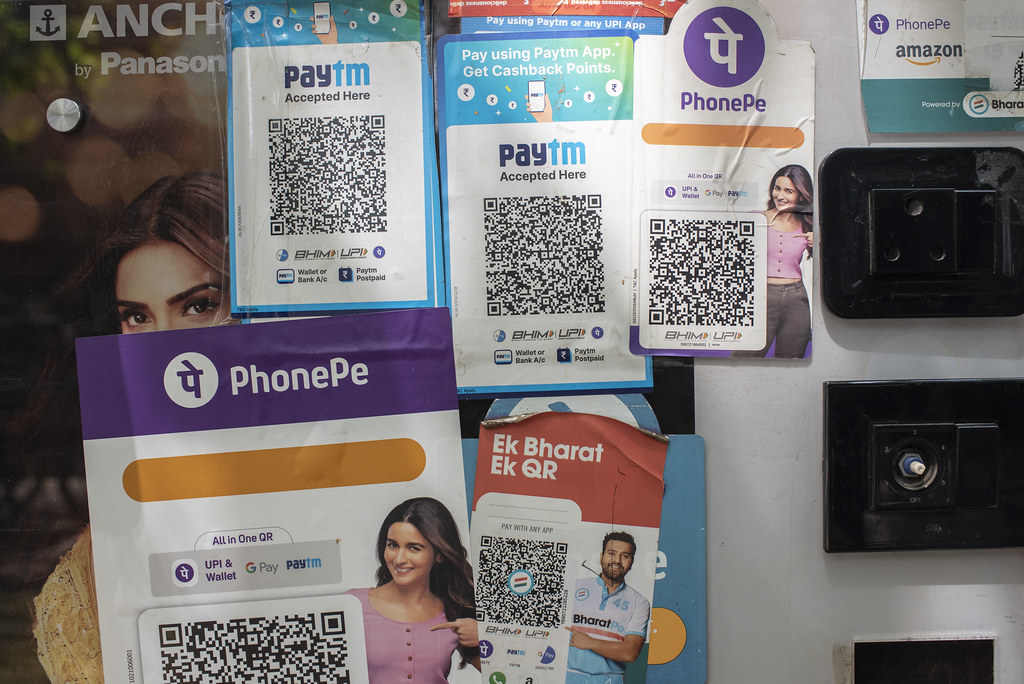
India has introduced legislation that could allow merchants to be charged for some transactions made through the Unified Payments Interface, ending part of the zero-fee policy in place since 2020. The proposal creates the legal basis for merchant discount rates but does not yet set a fee, transaction threshold or implementation date.
UPI is operated by the National Payments Corporation of India and allows users to transfer money directly between bank accounts. The network processed a record 23.66 billion transactions worth ₹29.88 trillion, about $313.4 billion, in July 2026.
Legislation Could End Zero-MDR Policy
India removed merchant discount rates from UPI payments in January 2020 to increase adoption. Banks and payment companies instead relied partly on government incentives to cover the cost of operating and expanding the network.
The proposed amendment to the Payment and Settlement Systems Act would give authorities the power to specify which UPI transactions may carry merchant fees. It does not itself introduce charges, leaving the structure and rate to be decided later.
Officials are reportedly considering limiting fees to higher-value payments made to larger merchants. One proposal would apply a rate of between 0.3% and 0.5% to transactions above ₹2,000 when the merchant’s annual turnover exceeds ₹15 million.
Banks and Payment Companies Seek Sustainable Funding
Banks and fintech companies have argued that maintaining UPI has become more expensive as transaction volumes rise. Their costs include payment processing, technology infrastructure, fraud prevention and cybersecurity.
Pine Labs chief executive Amrish Rau supported allowing the industry to recover some costs from merchants while keeping consumer and person-to-person payments free. He said further investment would be required to increase UPI adoption and expand the network internationally.
Jefferies estimated that fees of 15 to 30 basis points on selected higher-value transactions could generate between ₹50 billion and ₹100 billion, about $525 million to $1.05 billion, in annual revenue by fiscal 2028.
Transactions above ₹2,000 account for only about 4% of merchant-payment volume but nearly 70% of its value, according to figures cited by Bernstein. A threshold-based system could therefore preserve free payments for most everyday purchases while creating revenue from larger transactions.
PhonePe and Google Pay Handle Most UPI Payments
Walmart-owned PhonePe and Alphabet’s Google Pay process nearly 80% of UPI transaction volumes. The financial benefit for either company would depend on how merchant fees are divided between banks, payment apps and other network participants.
Any policy change would also be watched by countries where UPI is available, including Singapore, the United Arab Emirates and France. Monthly transaction figures are published through NPCI’s official UPI statistics page.
Featured image credits: International Monetary Fund via Flickr
For more stories like it, click the +Follow button at the top of this page to follow us.