

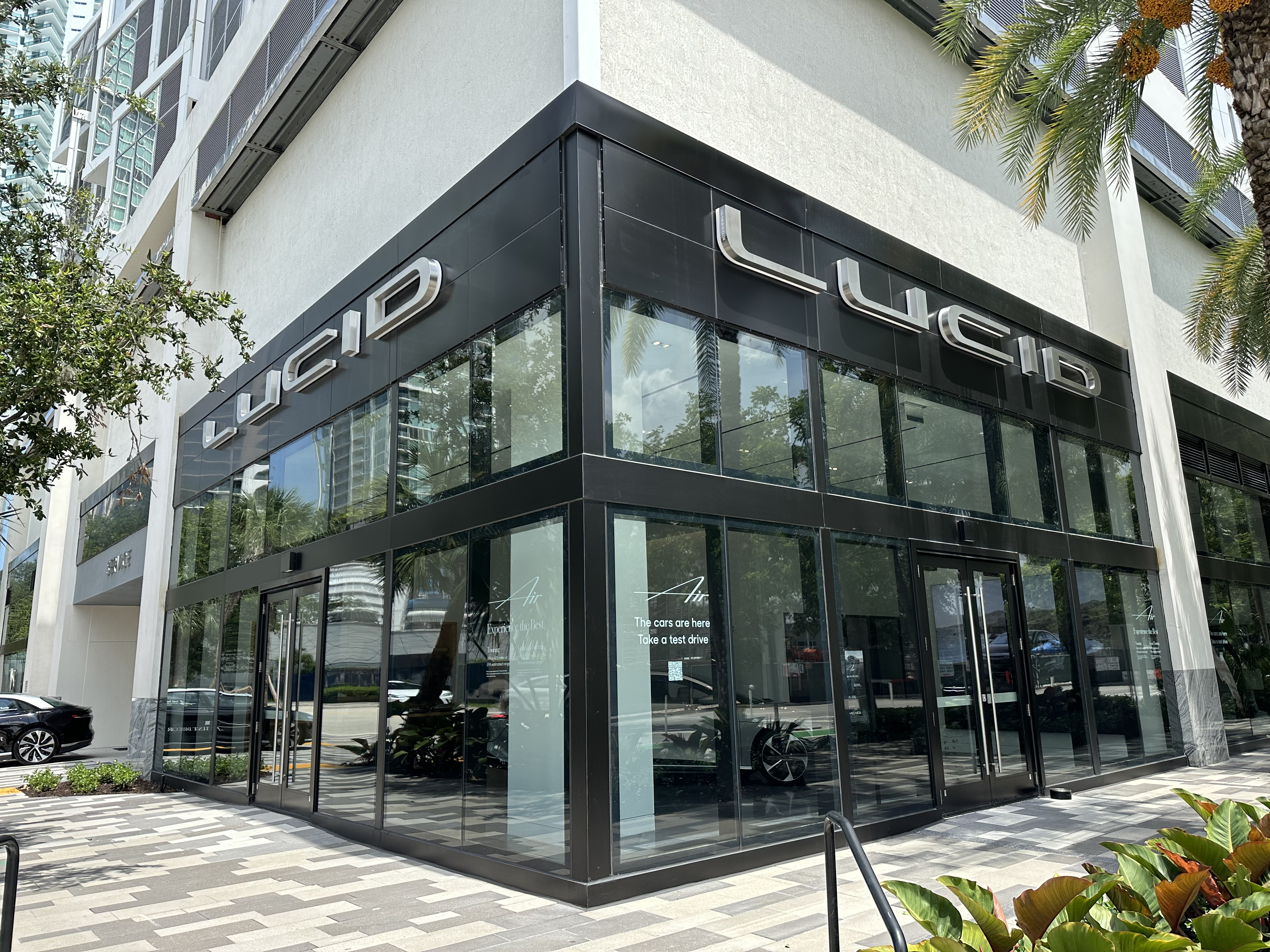
Lucid Motors has delayed its upcoming mid-size electric vehicle, known as Cosmos, until the second half of 2027 as new chief executive Silvio Napoli restructures the company around tighter spending and improved product quality. The crossover had previously been scheduled to begin deliveries by the end of 2026 with a starting price below $50,000.
Napoli said Lucid had repeatedly missed commitments, launched products before they were ready and responded too slowly to quality problems. The delay is intended to prevent similar issues from affecting the first model built on Lucid’s lower-cost mid-size platform.
Cosmos Delay Follows Gravity Quality Problems
Lucid has faced manufacturing and software problems with its Gravity SUV. Earlier this year, Gravity deliveries were disrupted for 29 days because of a supplier quality issue involving second-row seats, according to a regulatory filing.
Napoli said Lucid’s Air and Gravity vehicles had been launched too quickly and that he did not want to repeat those mistakes. He said the mid-size vehicle would only reach customers after its manufacturing processes and quality standards were ready.
The Cosmos is expected to be the first of several vehicles based on Lucid’s mid-size platform. The lower manufacturing cost and sub-$50,000 target price are intended to help the company reach more buyers than its existing luxury models.
Leadership Changes Accompany $1.4 Billion Reset
Napoli officially became chief executive on June 1 and has since reorganised Lucid’s management team. The company said in its official leadership announcement that it had cut the number of executives reporting directly to the CEO by half and appointed new leaders across finance, technology, customer operations, digital products and transformation.
Lucid also cut about 18% of its US workforce in June and removed the second production shift at its Arizona factory. Those measures are expected to generate approximately $158 million in annual savings.
The wider operational reset targets $1.4 billion in cash reductions during 2026. Lucid plans to cut inventory by $600 million to $800 million, capital expenditure by about $500 million and operating expenses by another $200 million.
Lower Production Could Pressure Suppliers
Reducing production while delaying Cosmos creates additional risks for Lucid’s suppliers. The company has warned in regulatory filings that lower volumes can leave it unable to use previously agreed purchase commitments, potentially resulting in higher prices, penalties, excess inventory or disputes with suppliers.
Lucid produced 4,774 vehicles and delivered 3,953 during the second quarter. The company has said its financing and cost reductions should provide sufficient liquidity well into 2027.
Robotaxi Programme Becomes More Important
With Cosmos delayed, Lucid’s robotaxi partnership with Uber and Nuro is becoming a larger part of its near-term plans. Nuro is integrating its autonomous driving technology into Lucid Gravity SUVs, which Uber intends to deploy through its ride-hailing network.
Lucid’s previous agreements called for at least 20,000 Gravity-based robotaxis, while an expanded agreement signed in April increased Uber’s overall vehicle commitment to at least 35,000 units, including future vehicles based on the mid-size platform.
Uber chief executive Dara Khosrowshahi said during his company’s second-quarter call that Napoli was taking necessary steps to return Lucid to stronger operational fundamentals. Uber is separately planning to invest more than $10 billion in autonomous vehicle programmes over the coming years.
Featured image credits: Wikimedia Commons
For more stories like it, click the +Follow button at the top of this page to follow us.