

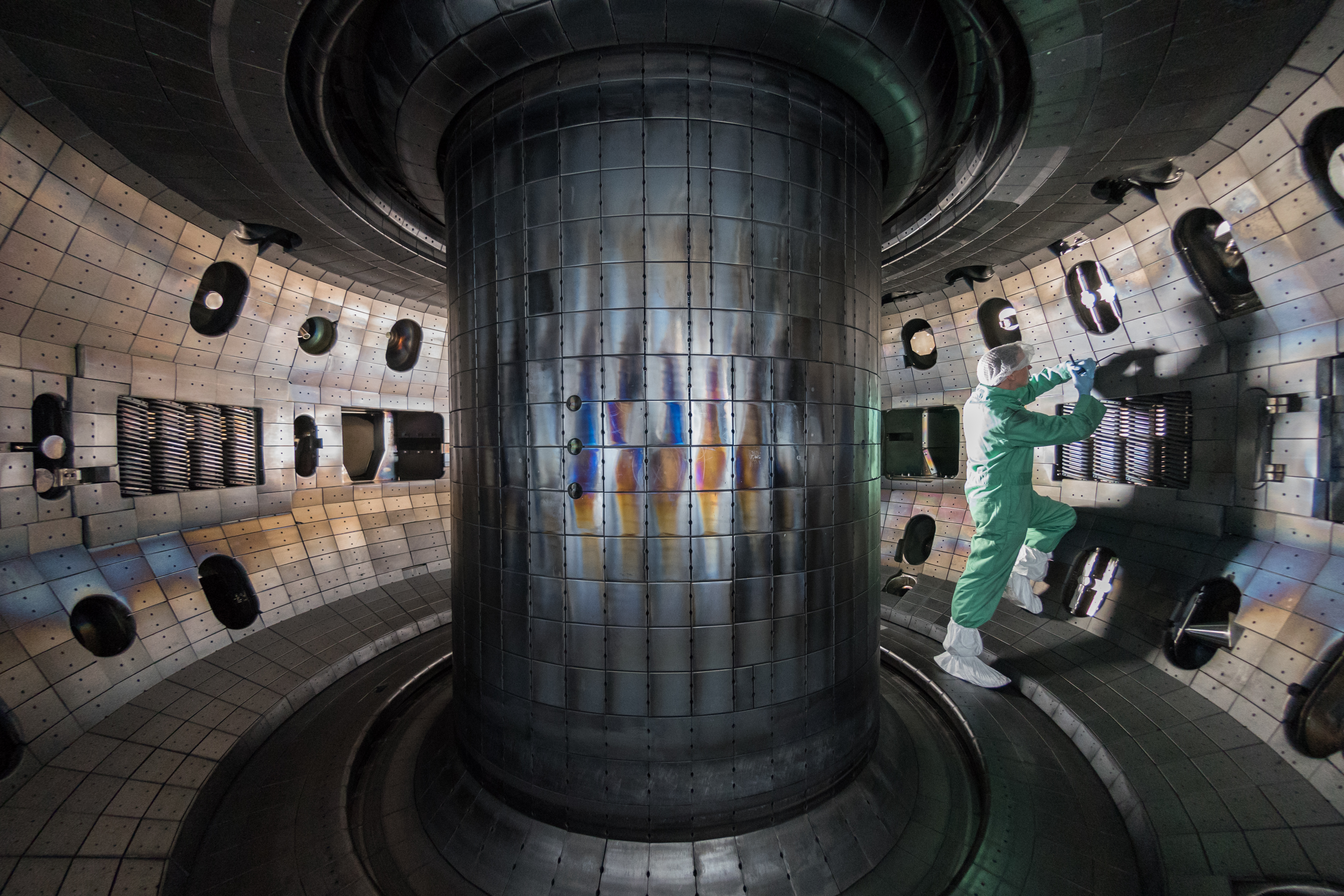
Proxima Fusion plans to build a €140 million ($162.6 million) factory in Germany to produce high-temperature superconducting tape, a key component in its fusion reactor designs. The project will give the company its own source of material used to generate the powerful magnetic fields needed to contain plasma during fusion reactions.
The Germany-based startup said in its official announcement that the plant will be built in Lower Saxony using a combination of public and private funding. The state plans to contribute €21 million toward the project.
Proxima Needs Tens of Thousands of Kilometers of HTS Tape
Proxima’s planned demonstration reactor will require about 20,000 kilometers of high-temperature superconducting, or HTS, tape. Its eventual commercial power plant is expected to need roughly twice that amount.
Most industrial-scale HTS tape is currently produced in China and Japan. Building a domestic manufacturing facility would give Proxima greater access to a component that is expected to become increasingly important as more fusion projects move toward larger demonstration systems.
HTS tape became an important technology for newer fusion reactor designs because it can generate strong magnetic fields while operating at higher temperatures than earlier superconductors. Stronger magnetic fields can help fusion developers build smaller and more efficient magnetic-confinement reactors.
Proxima uses a stellarator design, which relies on complex magnetic fields to keep extremely hot plasma confined long enough for fusion reactions to occur. The company has become one of the industry’s better-funded developers after raising €411 million in July.
That financing brought Proxima’s valuation to €2.4 billion and placed it among the fusion startups that have raised more than $100 million. The company plans to use the additional capital as it develops its Alpha demonstration plant and later its commercial Stellaris power plant.
Demand for HTS Extends Beyond Fusion
Fusion companies are expected to consume a significant share of future HTS tape production, but the material also has applications outside energy generation. Its ability to carry large amounts of electricity with little resistance makes it useful where conventional conductors would require more space or generate excessive heat.
Companies such as Veir are developing superconducting power systems for data centers, where rising computing loads are increasing electricity demand inside facilities. Other potential applications include power grids, medical systems and advanced propulsion.
For Proxima, however, the immediate priority is securing enough material for its own reactors. The proposed factory would provide the startup with a dedicated European supply of one of the major components required for its planned fusion systems.
Featured image credits: Wikimedia Commons
For more stories like it, click the +Follow button at the top of this page to follow us.