

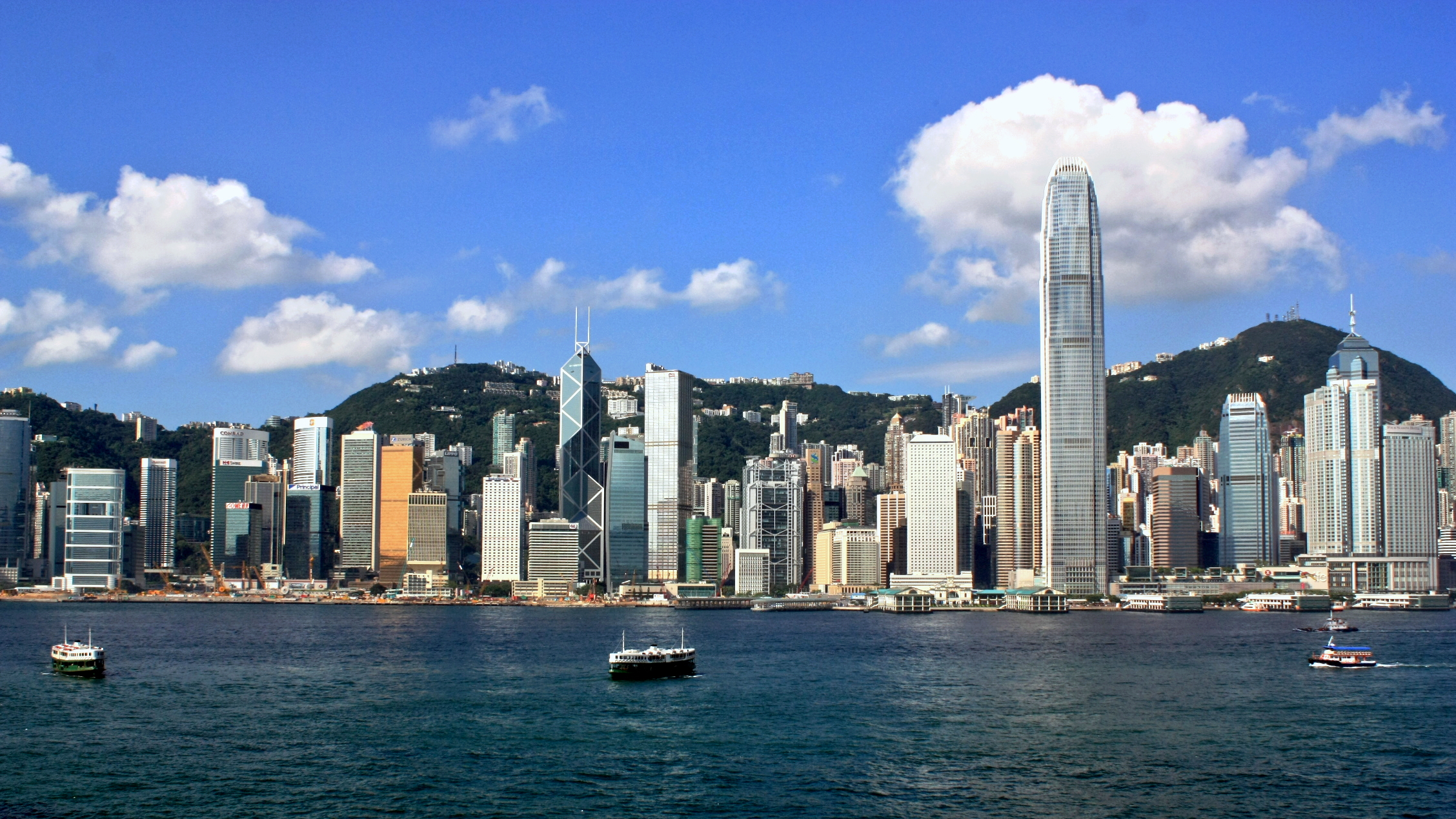
Mainland Chinese technology companies are increasingly using Hong Kong as a base to raise capital, test products, and build credibility for overseas expansion, as geopolitical tensions and regulatory scrutiny limit their access to Western markets.
Robotics Firm Yunji Uses Hong Kong As Testing Ground
In a Hong Kong hotel, a delivery robot developed by Yunji navigates lifts, guests, and corridors to deliver items, demonstrating how such systems operate in real-world environments.
The company’s vice-president, Xie Yunpeng, said Hong Kong serves as a starting point for broader expansion. Yunji, which builds service robots for hotels, hospitals, and factories, listed in Hong Kong in October as part of efforts to expand its investor base.
Geopolitical Pressures Shift Strategy Toward Hong Kong
Chinese firms face increasing barriers in the United States and Europe, where governments have raised concerns over data security, governance, and potential state influence. These concerns, often described as “China risk,” have made it more difficult for companies to access funding and customers abroad.
As a result, firms are turning to Hong Kong as an alternative entry point. According to PricewaterhouseCoopers, 76 mainland Chinese companies listed on the Hong Kong Stock Exchange last year, up from 30 in 2024.
Invest Hong Kong also reported an increase in mainland firms establishing or expanding operations in the city, particularly in innovation and technology sectors.
Hong Kong Positioned As Bridge To Global Markets
Xiaomeng Lu of Eurasia Group said companies are shifting their primary listings to Hong Kong as geopolitical pressures reduce opportunities in New York.
Wendy Chang of the Mercator Institute for China Studies said Hong Kong is positioning itself as a connector between Chinese firms and international markets, supported by policies that streamline listings and business setup.
Alicia Garcia-Herrero of Natixis said the city allows companies to demonstrate compliance with international standards while building trust with global investors.
Technology Self Reliance Shapes Policy Direction
The shift toward Hong Kong comes as China prioritizes technological self-reliance, particularly in areas such as artificial intelligence and semiconductors. This focus is embedded in the country’s 15th Five-Year Plan, which frames technology as both an economic and strategic priority amid tensions with the United States.
Paul Triolo of DGA Group said Hong Kong’s role has grown in importance for high-tech companies under these conditions.
Firms Use Hong Kong For Compliance And Data Handling
Other companies are also expanding into Hong Kong. MiningLamp Technology established operations in the city to test cross-border data compliance. Founder Wu Minghui described Hong Kong as a “data compliance transfer station” for building processes before entering other markets.
Challenges Persist Despite Hong Kong Expansion
Even with a Hong Kong presence, Chinese firms continue to face regulatory barriers abroad. Governments in the United States and Europe have tightened reviews of Chinese investments and restricted certain technologies in areas such as telecommunications.
Concerns over governance and transparency also remain, highlighted by past cases such as Luckin Coffee, which admitted to fabricating sales before being delisted from the Nasdaq in 2020.
Hong Kong itself has undergone changes that affect its global standing. Following protests in 2019, authorities introduced national security legislation, leading to arrests of activists, politicians, and journalists. Officials have said the measures were necessary for stability, while critics argue they have reduced political freedoms.
Triolo said Hong Kong does not fully shield companies from geopolitical risks, noting that mainland firms remain subject to regulations set in Beijing, including rules on cybersecurity, data control, and artificial intelligence.
Featured image credits: Wikimedia Commons
For more stories like it, click the +Follow button at the top of this page to follow us.