

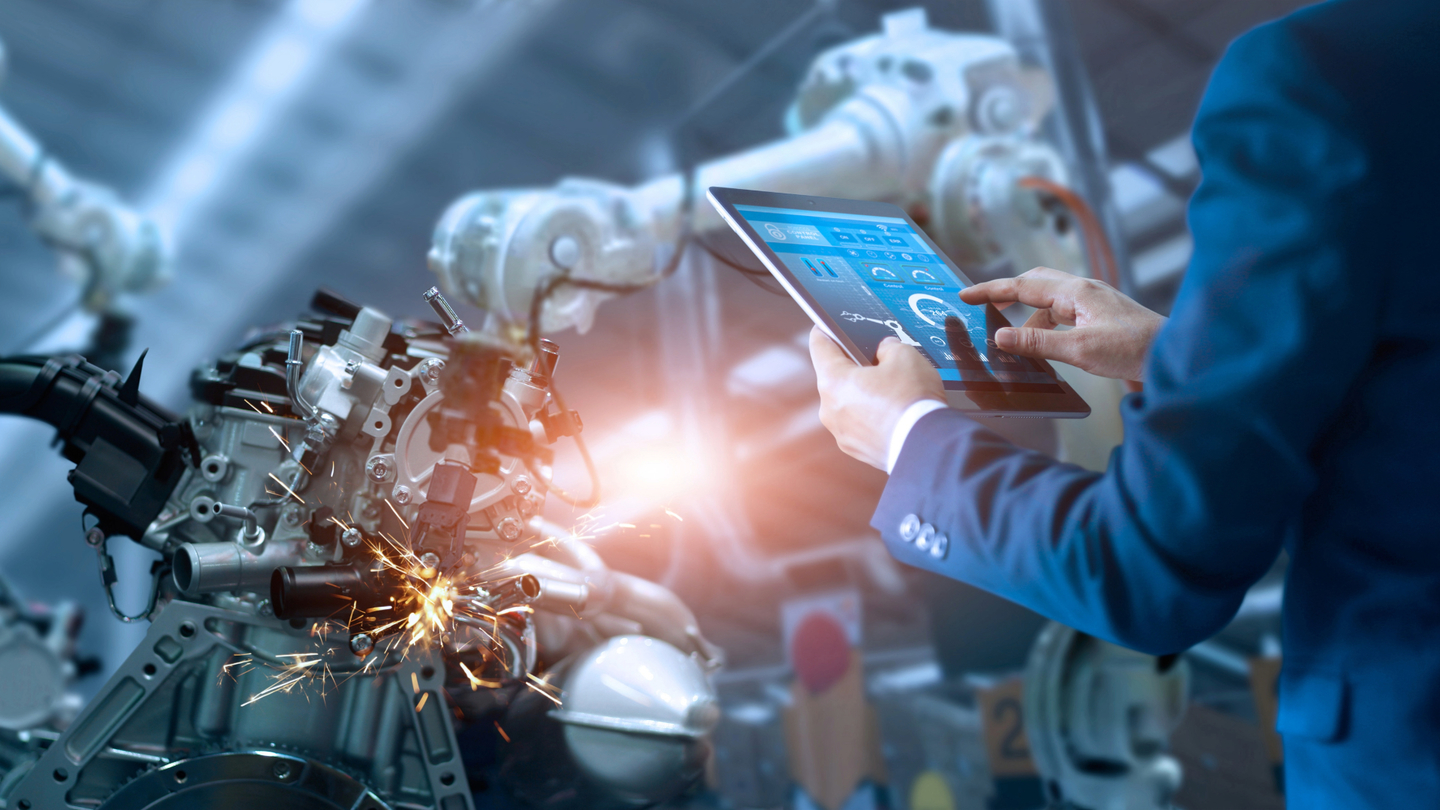
Physical Intelligence has reported that its latest robotics model, π0.7, can guide robots through tasks outside its training data, with researchers stating the system displayed behavior they did not anticipate during testing. The findings, released in new research, position the model as an early step toward a general-purpose robotic system capable of learning through instruction rather than task-specific retraining.
Compositional Generalization Emerges As Core Capability
The paper centers on what researchers describe as compositional generalization. The model combines previously learned skills, then applies them to unfamiliar problems. Earlier robotic systems relied on narrow training: engineers gathered task-specific data, trained a model, then repeated that process for each new function. π0.7 departs from that method, according to the company.
Sergey Levine, co-founder of Physical Intelligence, explains that once a system moves beyond strict imitation, performance begins to scale differently. He says capabilities can increase faster than the growth of training data, a pattern he links to developments seen in language and vision models.
Air Fryer Experiment Reveals Unexpected Skill Synthesis
One experiment highlights this shift. The model interacted with an air fryer it had almost never encountered. Researchers identified only two related training examples: one instance where a robot pushed the appliance closed, and another from an open-source dataset where a robot placed a plastic bottle inside. Despite this limited exposure, the system assembled a working understanding of the device, supported by broader pretraining data.
Lucy Shi notes that tracing the origin of this knowledge remains difficult. In testing, the robot attempted to cook a sweet potato without guidance and produced a partial result. When researchers provided step-by-step verbal instructions, the system completed the task successfully.
Instruction-Based Coaching Improves Performance
That ability to respond to real-time instruction suggests a different deployment model. Robots could operate in unfamiliar settings and improve through direct guidance, without requiring additional data collection or retraining cycles.
The research team also details limitations. The model struggles with executing complex, multi-step tasks from a single high-level command. Levine states that broad instructions such as preparing toast fail, while structured, sequential guidance produces more reliable outcomes.
Prompt design also affects results. Shi describes an early air fryer trial that achieved a 5% success rate. After approximately 30 minutes refining the wording of instructions, performance increased to 95%. She attributes some failures not to the model but to how researchers frame tasks.
Benchmarking And Evaluation Remain Limited
Benchmarking presents another constraint. Standardized evaluation systems for robotics remain underdeveloped, limiting external validation. Instead, the company compared π0.7 to its own specialist models trained for individual tasks. The generalist system matched those models across activities including coffee preparation, laundry folding, and box assembly.
Ashwin Balakrishna describes recent tests as unusually unpredictable. He reports that, despite detailed knowledge of training data, the system performed tasks he did not expect, including manipulating a randomly selected gear set on command.
Sergey Levine draws a parallel to early large language model behavior, referencing unexpected outputs from GPT-2. He notes that similar forms of unexpected capability now appear in robotics experiments.
Research Framing And Industry Context
Criticism, he says, often focuses on the simplicity of demonstrated tasks rather than the underlying capability. He argues that generalization tends to appear less visually striking than controlled demonstrations but carries more practical relevance.
The paper uses cautious language, describing the results as “early signs” and “initial demonstrations.” The system is not positioned as a finished product. When asked about deployment timelines, Levine declines to provide estimates, citing uncertainty despite faster-than-expected progress.
Physical Intelligence, a two-year-old startup based in San Francisco, has raised more than $1 billion and reached a valuation of $5.6 billion. Investor interest is linked in part to Lachy Groom, known for backing companies such as Figma, Notion, and Ramp. The company is reportedly in discussions to raise additional funding that could increase its valuation to approximately $11 billion. Representatives declined to comment on those discussions.
Featured image credits: Micromain
For more stories like it, click the +Follow button at the top of this page to follow us.