

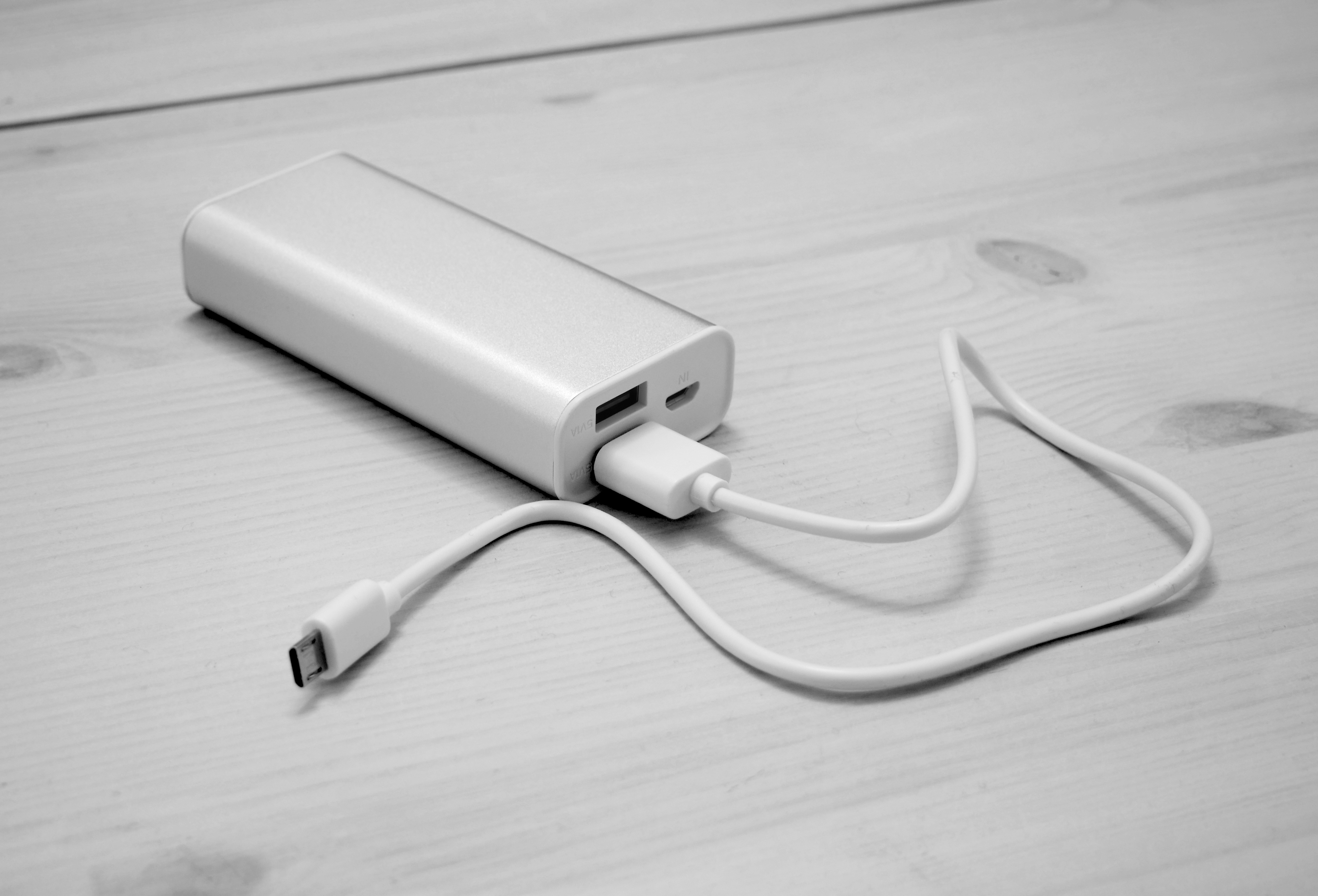
UK air passengers are being reminded to keep power banks, vapes and spare lithium batteries out of checked luggage as airports prepare for the busy summer holiday period.
The warning follows a sharp increase in battery-powered devices found inside hold bags. The Civil Aviation Authority reported 643 such cases in 2025, up from 316 the previous year.
Lithium Battery Incidents Are Increasing
Lithium batteries power common travel items including mobile phones, laptops, smartwatches, electronic cigarettes and portable chargers. Their compact design allows them to store substantial energy, but damaged, defective or poorly manufactured batteries can overheat and catch fire.
Reports of batteries overheating or malfunctioning rose from 123 in 2024 to 206 in 2025. The Civil Aviation Authority says lithium battery events now occur on UK-related flights about twice each week.
Most reported incidents have happened inside aircraft cabins, where passengers and crew can quickly notice heat, smoke or swelling. A fire inside the hold may remain undetected for longer and can be much harder to reach.
The CAA considers lithium battery fires one of the most serious current risks to aviation. Cabin crews receive training to manage such incidents, but regulators say prevention should begin before passengers arrive at the airport.
Power Banks and Vapes Must Stay in the Cabin
Under the CAA’s baggage rules, power banks and electronic smoking devices cannot be placed in checked luggage. They must remain in cabin baggage and be protected against damage, accidental activation and short circuits.
Passengers may carry no more than two power banks. They cannot recharge the power banks during the flight and should not use them to charge another device while onboard.
Power banks rated up to 100 watt-hours generally do not need airline approval. Those between 100 and 160 watt-hours require approval, while larger units are normally prohibited.
Phones, tablets and laptops should preferably be carried in the cabin. When an airline permits a device in checked baggage, it must be completely switched off rather than left in sleep or hibernation mode.
Damaged Devices Pose a Greater Risk
Electrical Safety First advises passengers to check power banks for swelling, cracking, overheating or other damage before travelling. Devices showing any of these signs should not be taken onto an aircraft.
The organisation also recommends buying rechargeable products from reputable retailers. Substandard batteries sold through third-party marketplaces may not have undergone adequate safety testing.
Battery incidents can also disrupt journeys even when no fire occurs. Airlines may need to remove luggage, delay departures or divert aircraft when an undeclared power bank is discovered in the hold.
Passengers should check their airline’s individual requirements before travelling because some carriers impose stricter rules than the CAA minimum.
Featured image credits: Santeri Viinamäki 2017 via Wikimedia Commons
For more stories like it, click the +Follow button at the top of this page to follow us.