

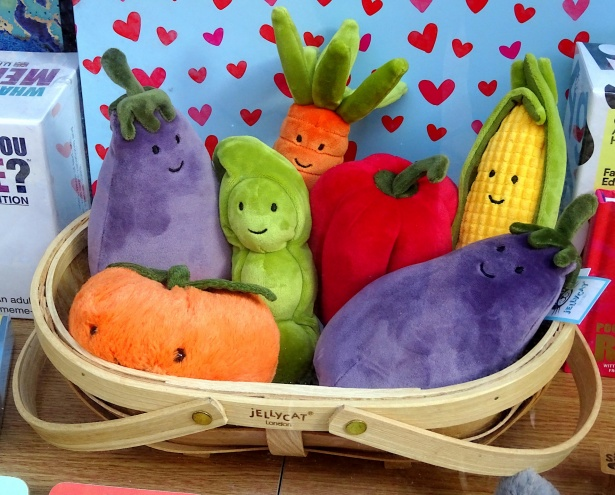
British-designed plush toys from Jellycat have gained a large adult following in China, where young consumers have turned to collectable toys for emotional comfort amid economic pressure, social uncertainty, and changing ideas of adulthood.
Stella Huang bought her first Jellycat toy in 2021 after losing her job during the pandemic. A school friend introduced her to the brand, but she became attached after seeing a gingerbread house plushie on the Chinese social media app RedNote. Christmas holds little cultural meaning for her, but she said the image of gingerbread houses appealed to her visually, prompting her to ask a friend in Guangzhou to buy the toy.
At the time, Beijing was under some of China’s strictest lockdowns, and Huang said the plush toy provided comfort during extended periods at home. Now 32 and working as a sales manager in the tourism industry, she owns 120 Jellycat toys, purchased for about 36,000 yuan. She said the toys help her regulate her emotions at a stage of life where personal struggles are harder to share.
From Children’s Toys To Adult Collectables
Originally aimed at children, Jellycat toys have become popular among adults, particularly in China. A key driver is the company’s “Amuseables” line, launched in 2018, which features inanimate objects with faces, including food items and household goods.
Kasia Davies of Statista said the Amuseables range has become a breakout product, appealing to Gen Z and millennial consumers worldwide. Isabel Galleymore of the University of Birmingham said the appeal may reflect a desire for companionship.
Davies said toy makers face pressure to expand beyond children’s products as birth rates decline globally. Jellycat entered the Chinese market in 2015, positioning it to benefit when demand rose during the pandemic. Business consultant Kathryn Read said the brand captured the mood of uncertainty during Covid, when consumers sought comfort-oriented products.
Localisation And Social Media Visibility
Jellycat’s growth in China has been supported by pop-up retail experiences and localisation. In-store events often feature limited-edition plush “food,” with customers filming interactions and sharing them online. In London, temporary shops sold plush versions of British foods such as fish and chips, while outlets in Beijing and Shanghai offered teapot and teacup designs.
In 2024, Jellycat’s revenue rose by about two-thirds to £333m, according to filings with Companies House. Estimates from Beijing-based Moojing Market Intelligence suggest Chinese consumers bought around $117m worth of Jellycat products through major e-commerce platforms during the same period.
Collectables And The “Kidult” Market
Jellycat’s popularity reflects broader growth in China’s collectable-toy market. Sales of collectable toys are expected to exceed 110bn yuan this year, according to a 2024 report by the Chinese Academy of Social Sciences and the China Animation Association.
The success of Labubu dolls from Pop Mart highlights demand among young adults. Cultural expert Erica Kanesaka of Emory University said the trend reflects young people questioning traditional ideas of adulthood. Global figures show overall toy sales declined slightly in 2024, while collectable toy sales rose nearly 5%, according to Circana.
Memes, Scarcity, And Emotional Expression
Amuseables characters, especially the aubergine plushie known among Chinese fans as “the boss,” have become meme material on RedNote. Users draw expressions on the toys to reflect moods linked to work and adult life. Wendy Hui, a marketing professional in Hong Kong, shared an edited aubergine plush image captioned “The mental state of workers on Monday,” describing it as a way to express exhaustion.
Limited-edition releases and product retirements have further driven interest. The approach, often described by Chinese consumers as “hunger marketing,” has encouraged collecting and resale. Some rare Jellycat toys have sold for more than $1,400, though many buyers view the toys as affordable indulgences compared with luxury goods.
China’s youth unemployment rate remains above 17%, according to official figures, and economic challenges have shaped spending habits. Jessie Chen, a medical sales representative, said Jellycat products feel easier to justify than high-end purchases, including handbags.
Signs Of Slowing Interest
Some fans say interest in Jellycat may be peaking in China, with less online discussion than before. Hui said she has shifted toward blind-box toys such as Teletubbies, citing lower prices and greater novelty. Others have considered stepping away from the hobby altogether.
Stella Huang said rising scarcity and effort involved in collecting has reduced the appeal. She said everyday life has become difficult enough without adding further pressure through competitive collecting.
Featured image credits: Public Domain Pictures
For more stories like it, click the +Follow button at the top of this page to follow us.