

Agreement And Tariff Changes
Bangladesh said it has secured exemptions for some clothing and textile products made with U.S.-produced materials under a new agreement announced on Monday, while Washington will cut its tariff rate on Bangladeshi goods from 20% to 19%. The White House said in a joint statement that the deal will strengthen economic ties and give both sides what it called “unprecedented access” to each market, and added that the United States will identify certain Bangladeshi clothing and textile goods that can enter the country free of tariffs.
The statement said the duty-free treatment will apply to goods produced with American cotton and man-made textiles, and that the volume covered will be linked to how much textile material the United States exports to Bangladesh. In return, Dhaka agreed to open its market to a wider range of American goods.
Trade Context And Apparel Sector
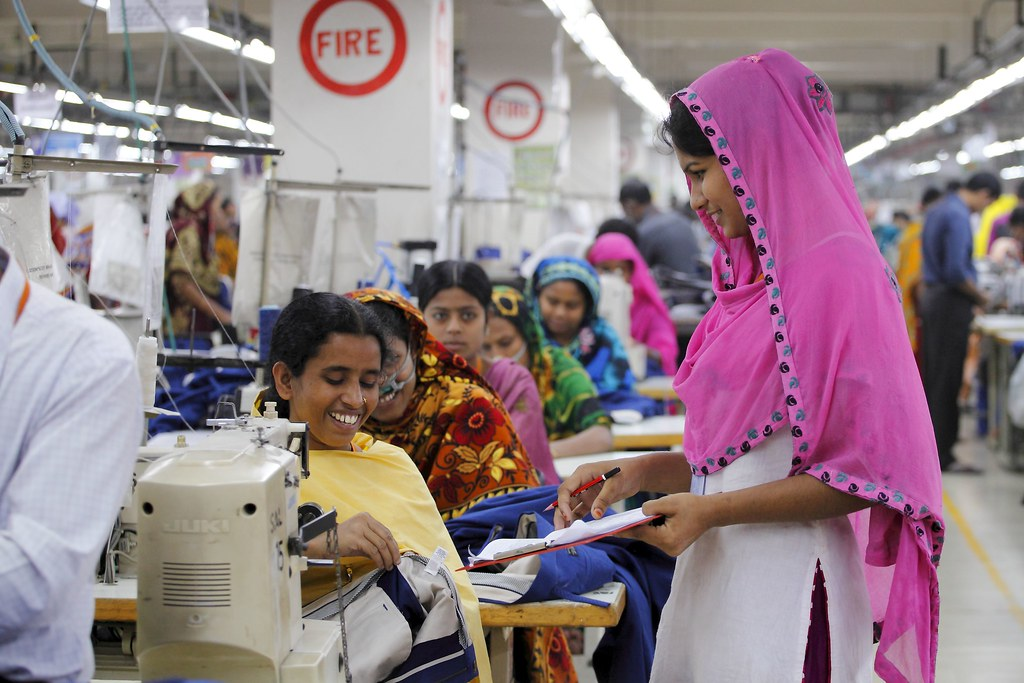
The agreement follows long negotiations between Dhaka and Washington after President Donald Trump imposed sweeping tariffs on global trading partners in April last year. The apparel industry forms the backbone of Bangladesh’s economy, and the country is the world’s second-largest exporter of clothes after China.
Clothing accounts for more than 80% of Bangladesh’s total export revenue and employs around four million workers. The new terms focus on that sector while tying tariff-free access to the use of U.S. inputs.
Market Access Commitments
Bangladesh agreed to provide what the White House described as “significant preferential market access” for a range of U.S. agricultural and industrial products. The list includes chemicals, medical devices, car parts, soy products, and meat. As part of the package, Dhaka will recognize U.S. food and drug rules and U.S. vehicle safety and emission standards, a step the White House said will make it easier for American goods to enter the Bangladeshi market.
The statement also said Bangladesh committed to observe internationally recognized labor rights, increase environmental protection efforts, and uphold its agreement to buy billions of dollars’ worth of U.S. agriculture, aircraft, and energy products.
Political Context And Regional Comparison
Bangladesh is set to hold general elections on Thursday. The country has been run by an interim government since 2024, when former Prime Minister Sheikh Hasina fled to India after being removed from office following a deadly crackdown on student-led protests.
The new U.S. tariff rate places Bangladesh close to its regional competitor India, which faces an 18% levy. Both countries compete to export clothing, footwear, and agricultural goods. India was initially hit with 25% U.S. duties when the first round of reciprocal tariffs was announced in April 2025, while Bangladesh was assigned a 37% rate at that time.
Featured image credits: Flickr
For more stories like it, click the +Follow button at the top of this page to follow us.