

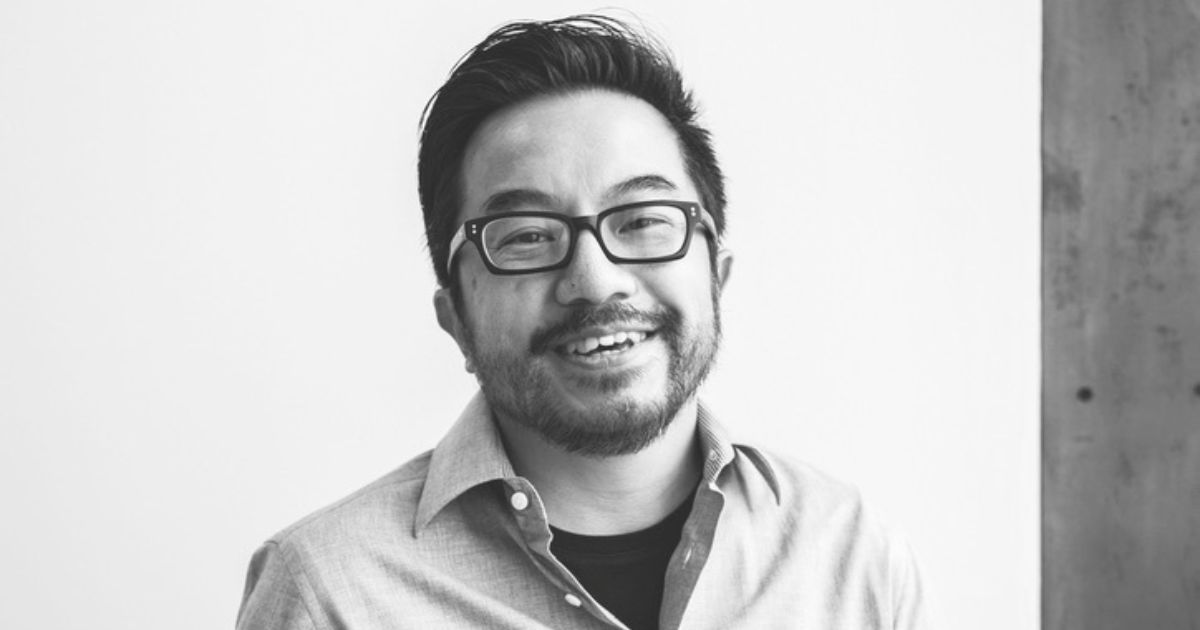
Y Combinator CEO Garry Tan says U.S. regulators should not restrict AI model distillation and has suggested that smaller American open-weight labs should be free to learn from domestic frontier models. His position puts him at odds with Anthropic CEO Dario Amodei, who has called for action against industrial-scale unauthorized distillation.
Asked by CNBC what regulators should do about Chinese labs using the technique, Tan replied, “I would do nothing,” and suggested there could instead be an “American distillation regime.”
Tan Wants More U.S. Open-Weight Models
Distillation is a common AI training method in which outputs from a larger, more capable model are used to improve another model. Tan wants smaller U.S. developers to be able to use frontier American models this way, increasing the number of competitive open-weight systems developed domestically.
He is not advocating the use of stolen credentials, fraudulent accounts or other deceptive methods. Instead, Tan argues that customers legitimately paying to access a model should face fewer restrictions on what they can do with the information it returns.
Tan also questioned whether proprietary AI companies should have broad control over model outputs after training their own systems on large amounts of publicly accessible information. He told TechCrunch that intelligence trained on public data should be treated more like a public good than something controlled entirely through restrictive terms of service.
The position is consistent with YC’s earlier advocacy for open AI development. In an official policy post, Tan argued that policymakers should support open-source AI and prevent a small number of large technology companies from gaining excessive control.
Anthropic Draws a Line at Industrial-Scale Distillation
Anthropic distinguishes ordinary distillation from what it calls “illicit distillation.” Its September threat intelligence report alleged that China-based AI labs used thousands of fraudulent accounts, stolen payment methods and compromised API credentials to extract Claude’s capabilities without authorization.
The company said it detected campaigns involving almost 200 million exchanges, including more than 151 million attributed to Alibaba and more than 23 million attributed to Moonshot AI. Anthropic also alleged that some companies forwarded their own customers’ queries to Claude without those users knowing.
Amodei has argued that governments should crack down on industrial-scale distillation while stopping short of calling for a general ban on open-weight models. In Anthropic’s position on open-weight AI, he described less capable open models as a public good but said large-scale distillation could allow Chinese developers to narrow the capability gap with U.S. frontier labs using significantly less computing power.
Tan sees a different risk in concentrating frontier AI capabilities within a small number of proprietary companies. He said a market dominated by one provider with superior access to capital, researchers and technology would itself represent a dangerous outcome.
Featured image credits: Y Combinator
For more stories like it, click the +Follow button at the top of this page to follow us.