

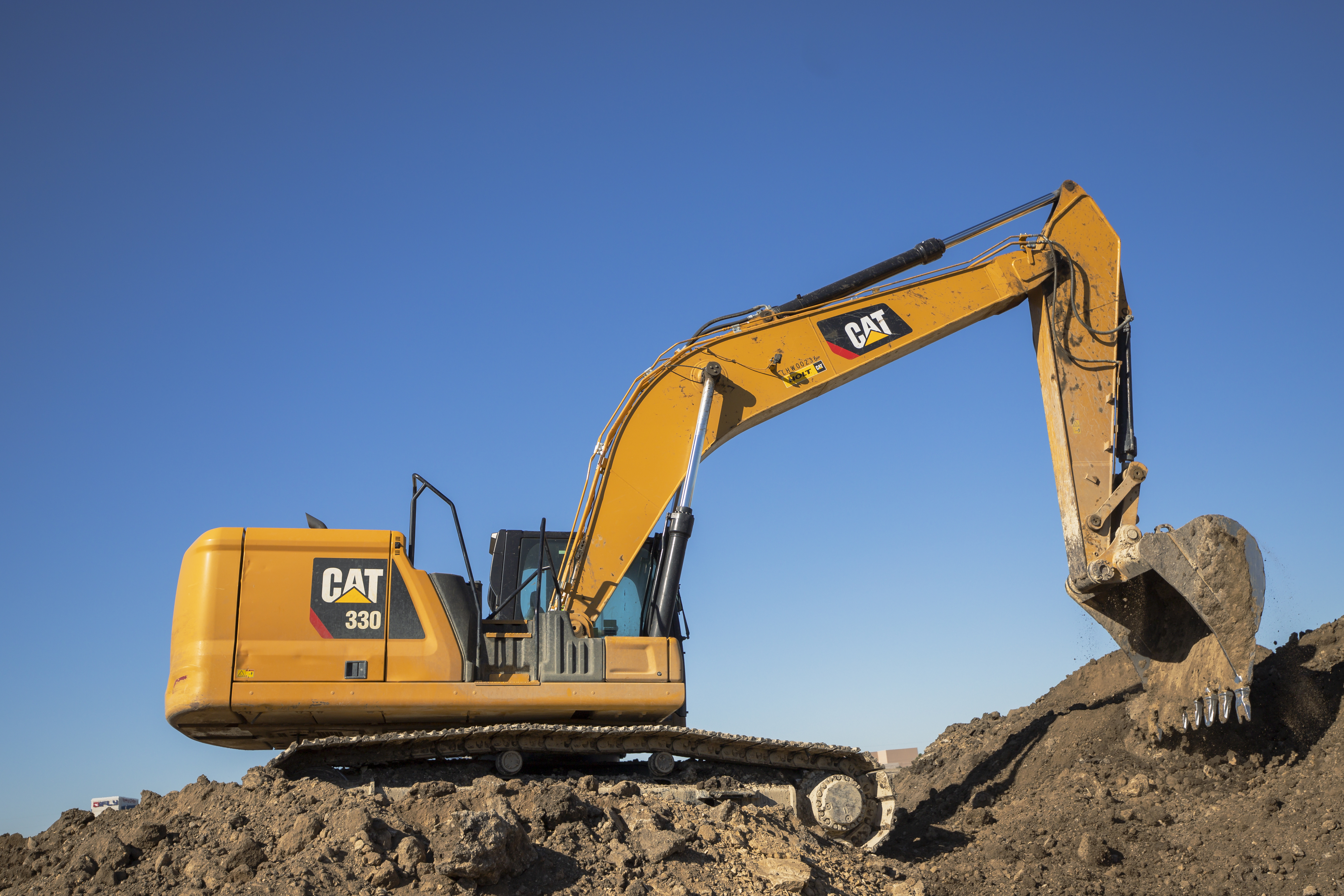
Caterpillar is expanding its use of artificial intelligence and automation across construction equipment through a new partnership with Nvidia, beginning with a pilot system designed to assist machine operators directly from inside the cab.
The construction equipment maker is testing an AI assistive system called Cat AI on its mid size Cat 306 CR Mini Excavator. The system is built using Nvidia’s Jetson Thor physical AI platform and is being demonstrated at CES on Wednesday.
AI Assist System For Machine Operators
Brandon Hootman, vice president of data and AI at Caterpillar, told TechCrunch that Cat AI is powered by a fleet of AI agents. The system can respond to operator questions, surface relevant resources, provide safety guidance, and help schedule maintenance services.
Hootman said the system is designed for workers who spend most of their time on job sites rather than at desks. He said access to insights and actions directly while operating machinery is critical for customers working in active construction environments.
Data Collection And Digital Twins
Caterpillar is also testing digital replicas of construction sites using Nvidia Omniverse. These digital twins allow the company to simulate scheduling scenarios and estimate material requirements more accurately.
Hootman said Caterpillar’s machines currently transmit around 2,000 data messages per second back to the company. That data is used to support simulation models and improve planning accuracy across construction projects.
Automation Beyond Construction
The company already operates fully autonomous vehicles in the mining sector. Hootman said the construction pilots represent a practical next step in extending automation capabilities across Caterpillar’s broader product portfolio.
He added that the decision to begin with these systems was driven by immediate customer needs and existing internal progress, while also establishing a technical base that can support further development.
Nvidia Physical AI Strategy
The partnership aligns with Nvidia’s focus on physical AI. Bill Dally, Nvidia’s chief scientist, told TechCrunch in 2025 that physical AI represents the company’s next major area of growth, centered on applying AI models to machines that operate in real world environments.
During its CES keynote on Monday, Nvidia outlined its full stack approach to physical AI, which includes open AI models such as its Cosmos model family, simulation tools, and developer platforms.
Broader Definition Of Physical AI
Deepu Talla, vice president of robotics and edge AI at Nvidia, said physical AI extends beyond traditional robotics companies. He told TechCrunch that many industries are now building robotic systems, including automotive and industrial equipment manufacturers.
Talla said Nvidia’s approach focuses on supporting the full lifecycle, from training AI models to simulating performance and deploying them into machines such as autonomous vehicles and construction equipment.
Featured image credits: Matthew T Rader via Wikimedia Commons
For more stories like it, click the +Follow button at the top of this page to follow us.