

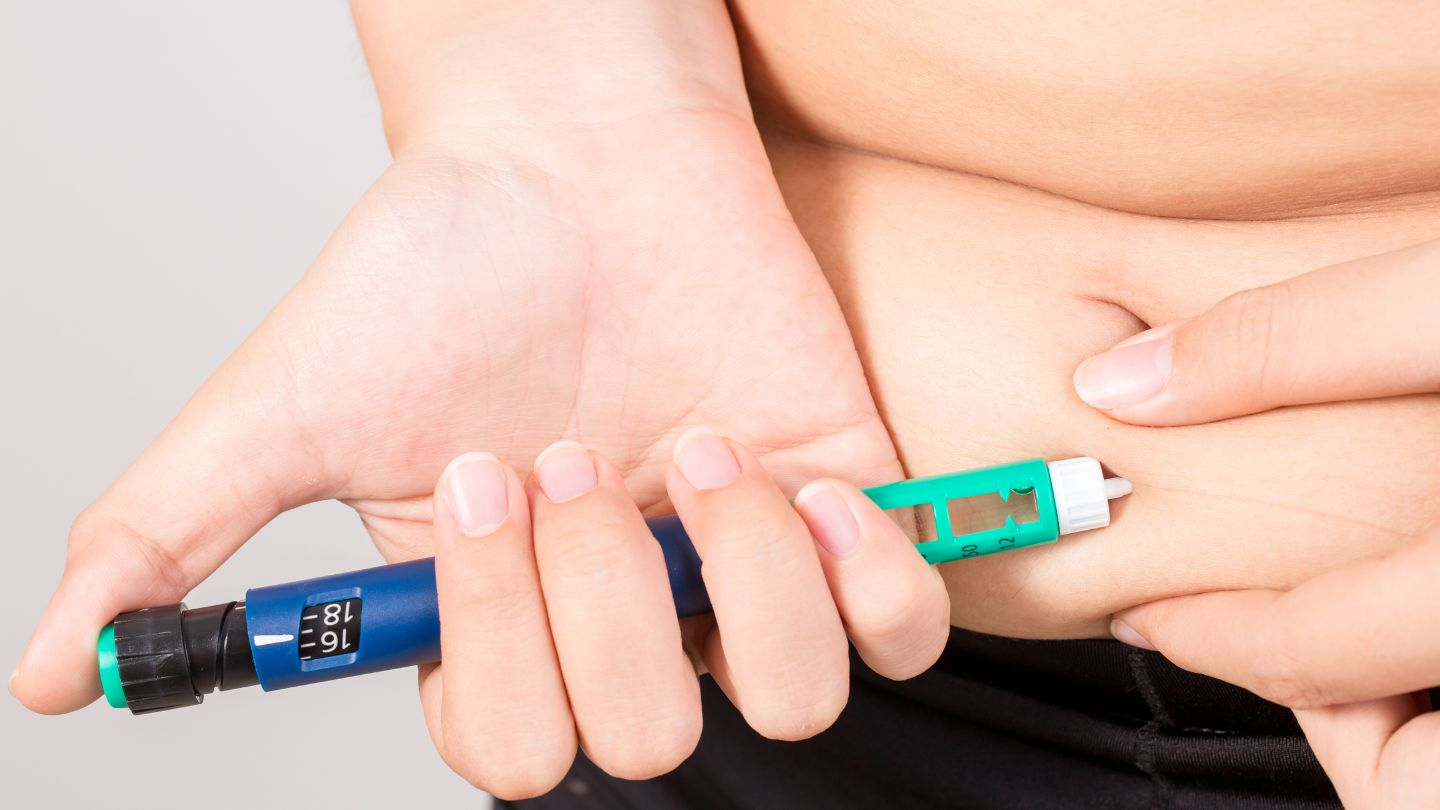
India’s pharmaceutical market is preparing for a wave of lower-cost weight-loss and diabetes treatments as the patent on semaglutide expires in the country. The change will allow domestic drugmakers to introduce generic versions of the compound used in blockbuster treatments such as Wegovy and Ozempic, potentially reducing prices and expanding access across India.
Analysts expect competition to increase rapidly, with projections of dozens of branded generics entering the market within months.
Expected Price Drops And Market Expansion
Current monthly treatment costs for semaglutide-based drugs remain high.
Ozempic typically sells for between 8,800 and 11,000 rupees ($95–$119), while Wegovy ranges from 10,000 to 16,000 rupees ($108–$173).
According to research firm Pharmarack, generic competition could reduce prices to approximately 3,000 to 5,000 rupees ($36–$54) per month.
Investment bank Jefferies described the shift as a potential “magic-pill moment” for India, estimating the domestic market could reach $1 billion with sufficient adoption.
The pattern reflects previous patent expirations. When the diabetes drug sitagliptin lost patent protection in 2022, about 30 branded versions entered the market within a month, rising to nearly 100 within a year.
Indian Drugmakers Prepare For Launch
Major pharmaceutical companies in India are preparing to release semaglutide generics.
These include Cipla, Sun Pharma, Dr Reddy’s Laboratories, Biocon, Natco Pharma, Zydus Lifesciences, and Mankind Pharma.
More companies are expected to follow as the country’s generics-focused industry expands production.
India’s pharmaceutical sector, currently valued at about $60 billion, is projected to double by 2030.
Rising Demand Driven By Health Trends
Semaglutide belongs to a class of medicines known as GLP-1 receptor agonists, which regulate appetite and blood sugar.
By increasing insulin release and slowing stomach emptying, the drug helps patients feel full sooner and for longer periods.
Originally developed for diabetes, the treatment has become widely used for weight loss.
India has more than 77 million people living with type 2 diabetes and a large population of overweight adults, driven by urban lifestyles, dietary habits, and reduced physical activity.
The country’s anti-obesity drug market has grown from about $16 million in 2021 to nearly $100 million, with demand increasing after the introduction of Rybelsus in 2022.
Expanding Medical Use Across Specialties
Doctors are increasingly using GLP-1 drugs beyond endocrinology.
Cardiologists prescribe them to help patients lose weight before procedures such as angioplasty.
Orthopaedic surgeons use them to reduce joint strain before surgery, while chest physicians apply them in treating conditions such as sleep apnoea.
Mumbai-based bariatric surgeon Muffazal Lakdawala said lower prices could expand access for patients with obesity and diabetes, though he emphasized the need for strict quality control.
Export Potential And Global Role
India remains the world’s largest supplier of generic medicines, producing around 20% of global supply across more than 60 therapeutic categories.
The country exports medicines to over 200 countries, accounting for more than half of Africa’s generic drug demand, about 40% of generics in the United States, and roughly a quarter of medicines in the United Kingdom.
Namit Joshi said the export potential for generic weight-loss drugs could be significant, with the U.S. market alone potentially reaching $10 billion within a few years.
India’s current generic drug exports total about $30.46 billion, with the United States as its largest market.
Medical Risks And Regulatory Concerns
Doctors have cautioned that semaglutide treatments carry potential risks.
Common side effects include nausea, vomiting, and digestive issues, while rarer complications may involve gallstones or pancreatitis.
Rapid weight loss without adequate nutrition or exercise can also lead to muscle loss.
Mumbai-based diabetologist Rahul Baxi said outcomes depend on appropriate patient selection and lifestyle changes.
Patients often seek rapid results, influenced by social media trends, but doctors emphasize gradual weight loss and long-term management.
Stopping treatment may lead to weight regain as appetite returns.
Concerns Over Misuse And Oversight
Lower prices may increase the risk of misuse.
Doctors report that some patients obtain prescriptions through unauthorized channels such as gym trainers or beauty clinics.
Online pharmacies have also been cited as dispensing medication after limited consultation.
Bhaumik Kamdar warned that wider access could increase the likelihood of improper use, calling for stronger regulation.
India’s drug regulator recently issued guidance warning pharmaceutical companies against directly advertising prescription weight-loss drugs to consumers.
Authorities said promotions that exaggerate results or minimize the role of diet and exercise could be considered misleading.
Balancing Access And Regulation
As generics enter the market, regulators and healthcare providers are expected to monitor both quality and usage.
Doctors continue to emphasize that treatment should be combined with dietary changes, exercise, and medical supervision.
The expansion of lower-cost semaglutide could significantly increase access, while raising questions about oversight and long-term use.
Featured image credits: Atlanta Medical Institute
For more stories like it, click the +Follow button at the top of this page to follow us