

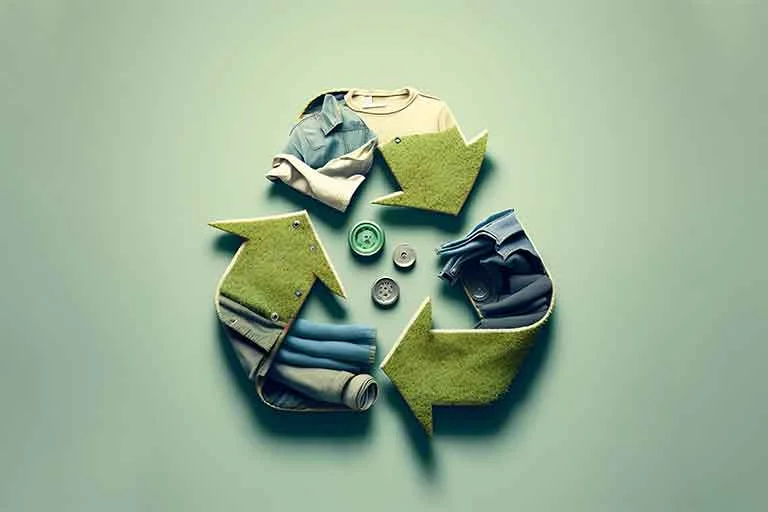
Large volumes of second-hand clothing exported to Chile are ending up illegally dumped in the Atacama Desert, as authorities and private firms begin efforts to address the environmental and logistical challenges tied to the global used clothing trade.
Imports Drive Growth Of Northern Free Trade Hub
Chile imports about 123,000 tonnes of used clothing each year, much of it arriving through the free-trade zone in Iquique. The zone, known as Zona Franca de Iquique, allows businesses to import and trade goods without customs duties or VAT.
Clothing shipments come from regions including North America, Europe, and Asia. Items are sorted locally, with higher-quality garments sold domestically or exported to other Latin American markets.
The sector supports local employment, particularly for women who sort and categorize clothing by quality.
Unsold Clothing Fuels Illegal Dumping In Desert
Lower-quality garments are sold at informal markets such as La Quebradilla near Alto Hospicio, where prices can start as low as 500 Chilean pesos.
However, a significant portion of clothing remains unsold. Because disposal options such as export, taxation, or authorized waste processing incur costs, some traders resort to illegal dumping or burning.
Estimates suggest around 39,000 tonnes of clothing are dumped annually in the surrounding Atacama Desert.
Local authorities report difficulty enforcing regulations due to the vast and accessible terrain, despite patrols and monitoring efforts.
Recycling Initiative Aims To Repurpose Textile Waste
Efforts to address the issue include projects led by organizations such as CircularTec, which promote reuse and recycling of textile waste.
A new factory under construction near Alto Hospicio is designed to process discarded clothing into reusable materials. The facility, developed by businessman Bekir Conkur, will convert garments into fibers and felt for use in products such as mattresses, furniture, automotive interiors, and insulation.
The plant is expected to process up to 20 tonnes of clothing per day without using water or chemicals.
Regulatory Changes Shift Responsibility To Industry
The initiative aligns with updates to Chile’s Extended Producer Responsibility law, which now includes textiles. The law requires companies involved in selling physical goods to manage the lifecycle of their products, including disposal and recycling.
Under the framework, clothing brands, retailers, and importers will be responsible for financing and organizing waste management processes, reducing the burden on local governments.
Conkur, who has invested $7 million in the facility, said the project is both a response to regulatory changes and a business opportunity, with plans to process textile waste from across Chile and potentially international sources.
Featured image credits: Garbage Gurus
For more stories like it, click the +Follow button at the top of this page to follow us.