

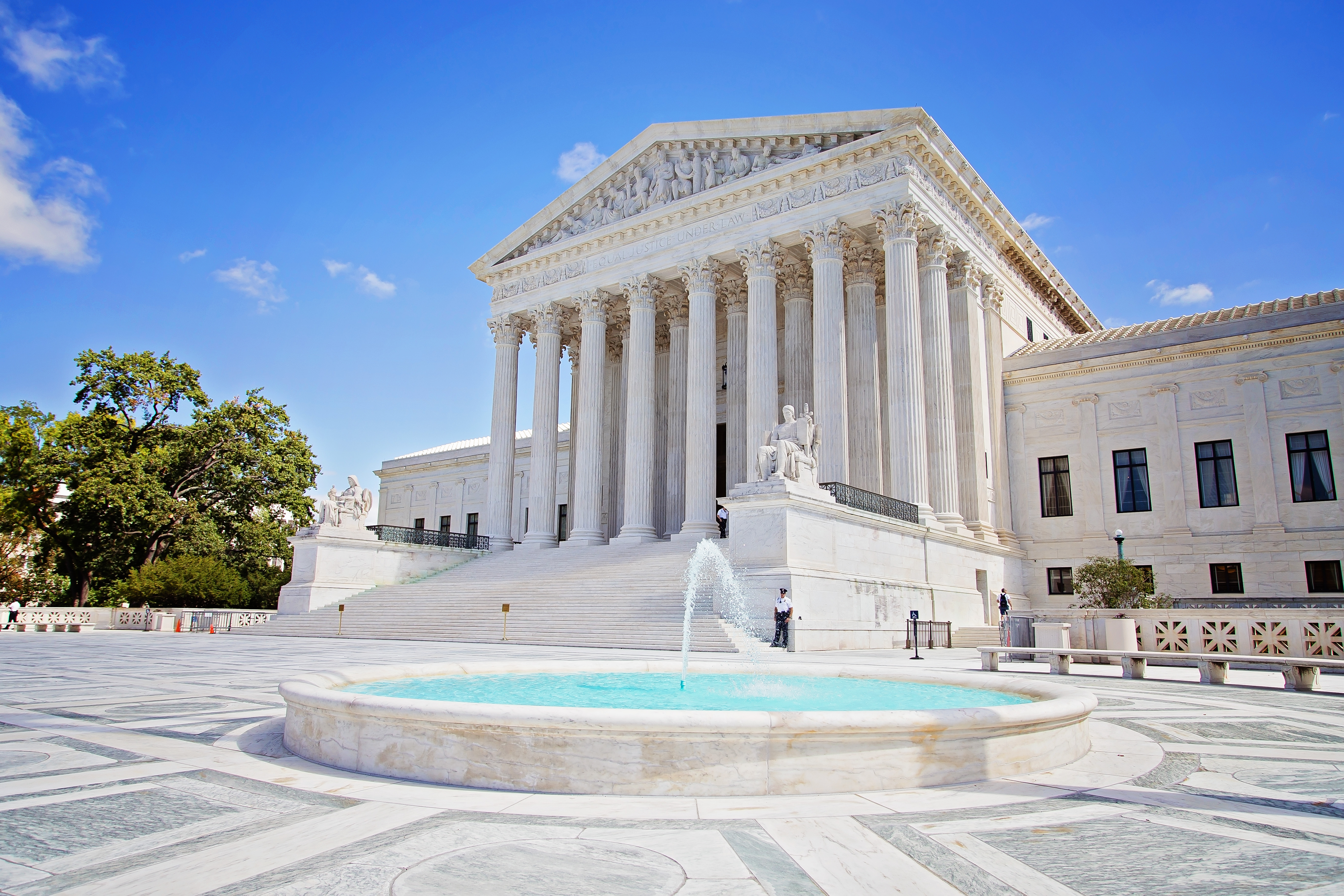
The U.S. Supreme Court heard arguments in Chatrie v. United States on Monday, a case that could determine whether law enforcement’s use of geofence warrants complies with constitutional protections on privacy.
Case Background And Use Of Geofence Warrants
The case centers on Okello Chatrie, a Virginia man convicted of a 2019 bank robbery. Investigators used a geofence warrant to compel Google to provide location data on devices within a defined area and time window around the crime scene.
Geofence warrants allow law enforcement to define a geographic boundary and request data on all devices present within that space. In Chatrie’s case, Google initially supplied anonymized data for multiple users, after which investigators requested additional details and identified three individuals, including Chatrie.
Chatrie later pleaded guilty and received a sentence of more than 11 years. His legal team argued that the evidence derived from the geofence warrant should not have been admitted.
Legal Arguments And Constitutional Questions
The case hinges on whether such warrants violate the Fourth Amendment, which protects against unreasonable searches and seizures. Chatrie’s lawyers argued that the warrant allowed authorities to “search first and develop suspicions later,” without establishing probable cause tied to a specific individual.
A lower court agreed that the warrant lacked sufficient probable cause but allowed the evidence under a “good faith” exception, concluding that law enforcement acted within existing legal frameworks.
An amicus brief cited by civil liberties attorney Jennifer Stisa Granick argued that the warrant required Google to search through vast amounts of user data, including accounts unrelated to the investigation, raising broader constitutional concerns.
The U.S. government countered that users voluntarily allow companies like Google to collect and store location data, and that the warrant simply required the company to retrieve relevant information.
Judicial Reactions And Possible Outcomes
During oral arguments, the justices appeared divided on whether to prohibit geofence warrants entirely. A decision is expected later this year.
Orin Kerr of the University of California, Berkeley, said the court is likely to reject a full challenge to the practice but may impose limits on how warrants are issued and executed.
Legal analyst Cathy Gellis suggested the court could favor incremental changes rather than a broad ruling, indicating possible restrictions rather than a complete ban.
Growth Of The Practice And Broader Impact
Geofence warrants have expanded significantly since their first reported use by federal agents in 2016, according to The New York Times. Since 2018, thousands of such warrants have been filed annually by law enforcement agencies across the United States.
Critics argue the practice can capture data from individuals with no connection to a crime, including bystanders and participants in lawful activities such as protests.
Implications For Technology Companies
Although the case focuses on Google, its outcome could affect any company that collects location data. Google has since shifted to storing location information on user devices and stopped responding to geofence warrants last year.
Other companies, including Microsoft, Yahoo, Uber, and Snap, have previously received similar requests.
Featured image credits: Wikimedia Commons
For more stories like it, click the +Follow button at the top of this page to follow us.